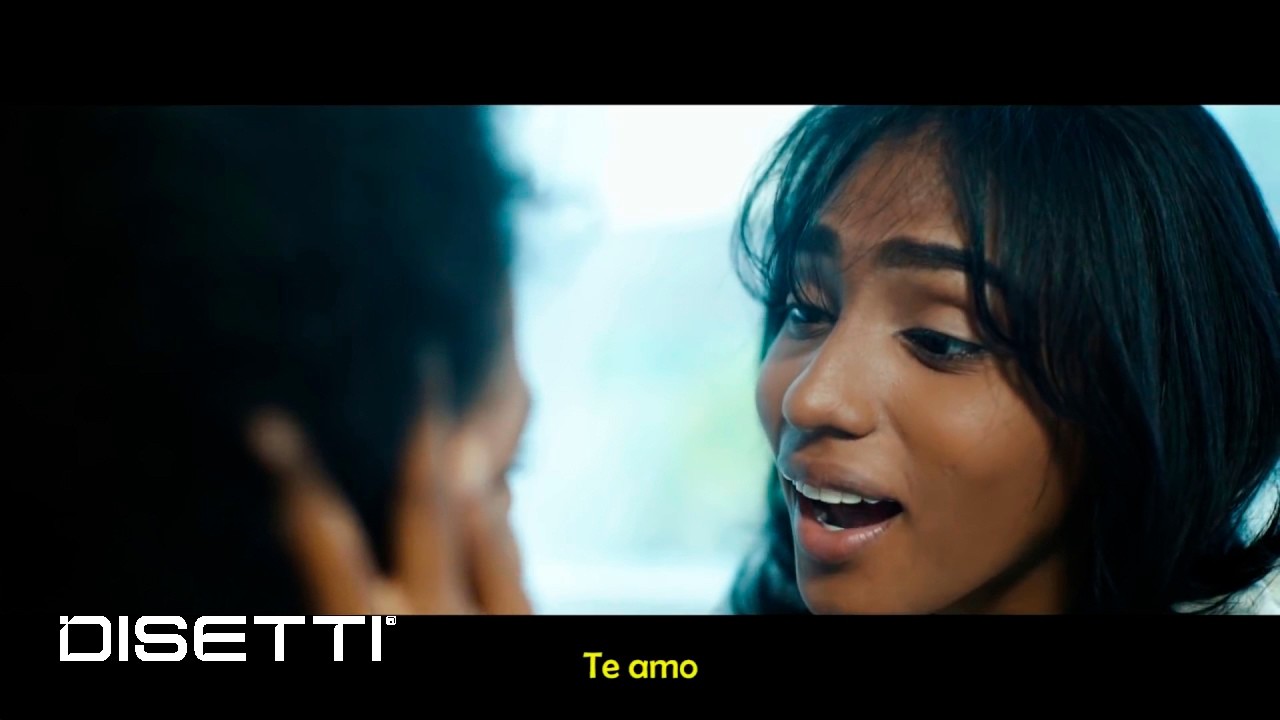
Mickey Love's 2016 reggaeton track "Morena" is a rhythmic celebration of Caribbean and tropical musicality. The music video showcases the artist's distinctive approach to reggaeton production, blending infectious drum patterns with melodic elements rooted in the coastal Colombian tradition. Originally released from Cartagena, the track became a streaming success with over 5.8 million YouTube views, establishing Mickey Love as a notable figure in the reggaeton and tropical music sphere.
What Makes Morena a Standout Reggaeton Track?
"Morena" represents a particular style of reggaeton that emphasizes groove and tropical sensibility. The track demonstrates how contemporary reggaeton artists incorporate regional Caribbean influences into the genre's foundational drum machine patterns and syncopated rhythms. Mickey Love's production choices on this track showcase the flexibility of reggaeton as a platform for both dancefloor energy and melodic sophistication.
The song's structure relies on the characteristic reggaeton dembow—a syncopated drum pattern that emerged in Panama and Puerto Rico in the 1990s—but deploys it in service of a more laid-back, tropical aesthetic. Rather than pursuing the harder urban sound associated with many reggaeton productions, "Morena" allows space for melodic hooks and atmospheric elements that reflect Caribbean coastal culture.
Why Does Caribbean Musicality Matter in Modern Reggaeton?
Reggaeton has evolved significantly since its inception, and modern producers like Mickey Love draw consciously from the broader musical heritage of the Caribbean and Central America. This approach honors the genre's roots while pushing it toward fresh sonic territory. Caribbean musicality—characterized by syncopation, call-and-response patterns, and rhythmic sophistication—provides reggaeton with depth and cultural grounding.
Artists working in this vein understand that reggaeton is not monolithic. The genre encompasses numerous regional interpretations and production approaches. "Morena" sits within a tradition of reggaeton that prioritizes musicality and groove over shock value or aggressive lyrical content, appealing to listeners seeking rhythm-driven tracks with melodic appeal.
How Does Geographic Location Influence Reggaeton Production?
Mickey Love's base in Cartagena, Colombia—a historic Caribbean coastal city—shapes the sonic character of "Morena." Cartagena's musical tradition includes cumbia, vallenato, and afrobeat influences that predate reggaeton. When contemporary artists produce reggaeton in this context, these indigenous Caribbean and African-rooted traditions inevitably color their approach to rhythm and melody.
The 2016 music video's visual presentation likely reflects this geographic and cultural specificity. Coastal Colombian contexts typically celebrate bright colors, communal gathering spaces, and the blend of African and Caribbean cultures visible in local dress, dance, and social life. These visual elements often frame reggaeton tracks shot in such settings, creating a coherent cultural aesthetic rather than a purely global pop product.
What Role Does the Music Video Play in Reggaeton Distribution?
The music video format remains central to reggaeton's global reach and commercial success. YouTube's algorithm and platform dynamics have made short, visually engaging music videos essential marketing tools. "Morena" accumulated over 5.8 million views, demonstrating how reggaeton tracks—particularly those with strong melodic hooks and accessible production—perform on streaming platforms.
For independent artists and smaller labels, music videos serve multiple functions: they establish visual identity, generate continuous royalty streams, and create shareable content for social media promotion. Mickey Love's release strategy, which included direct download links alongside the YouTube video, reflects the hybrid distribution model many contemporary Latin music artists employ to maximize reach across platforms.
How Has Reggaeton Evolved Since the 1990s?
Reggaeton emerged in Panama during the 1990s, initially drawing from Jamaican dancehall and Puerto Rican hip-hop aesthetics. The genre's foundational technologies—drum machines, digital production, and electronic instrumentation—allowed for rapid evolution and regional variation. By 2016, when "Morena" was released, reggaeton had fragmented into numerous substyles: trap latino, reggaeton fusión, reggaeton puro, and hybrid forms incorporating EDM, funk, and other global genres.
Mickey Love's production approach reflects reggaeton's maturation as a genre. Rather than relying solely on the dembow's novelty or lyrical aggression, contemporary reggaeton producers craft sophisticated sonic environments. The emphasis on production quality, melodic coherence, and atmospheric detail suggests an artist working within reggaeton's expanded possibilities rather than its original parameters.
What Defines Mickey Love's Artistic Identity?
While limited information is publicly available about Mickey Love's biographical background or formal training, his work suggests an artist deeply embedded in Caribbean and Colombian musical cultures. The track title "Morena"—meaning "dark-skinned" or "brunette" in Spanish—may reference aesthetic appreciation, romantic attraction, or serve as a cultural marker celebrating Afro-Caribbean beauty standards.
The artist's location in Cartagena and choice to work with reggaeton indicates positioning within contemporary Latin urban music rather than traditional folk or classical contexts. This suggests a modern artist navigating digital distribution, social media promotion, and the global streaming economy while maintaining connection to regional musical traditions.
Where to Go from Here
To deepen your understanding of reggaeton's development and contemporary practice, explore the genre's foundational artists—including Daddy Yankee, Don Omar, and Ivy Queen—who shaped reggaeton's initial commercial expansion. Examine how modern producers in Latin America reimagine reggaeton through fusion with regional traditions, electronic music, and global pop production.
Listen to reggaeton tracks from various Caribbean and Central American producers to develop ear for regional variation and production approaches. Consider how social media platforms and streaming services have influenced reggaeton's production aesthetics and commercial strategies. Finally, research Cartagena's broader musical history to understand how its specific cultural context shapes artists like Mickey Love who work within contemporary genres while maintaining connection to local tradition.