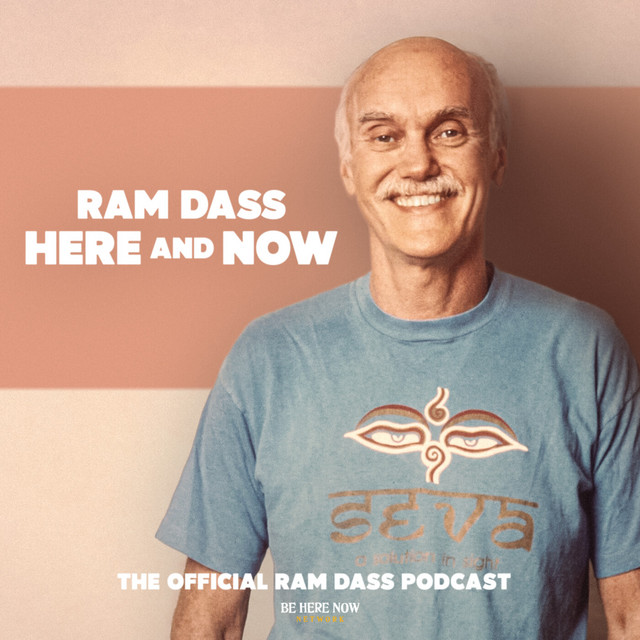
"Prelude for Siddhartha" is an instrumental meditation composition by Ram Dass that pairs felt piano with cellist Shannon Hayden's crystalline cello lines. The piece is part of a collection designed for quiet focus, movement, and breath work. The official music video features choreographer Ramona Kelley moving from black-and-white into full color, a visual metaphor that echoes the music's unfolding from stillness into vivid harmonic motion. This is contemplative music—not background ambiance, but a structured sound environment for deepening awareness during meditation, yoga, or conscious movement practice.
What is felt piano, and why does it matter for meditation music?
Felt piano is a prepared piano technique where felt is placed between or on the strings, dampening the standard bright, percussive quality of acoustic piano and creating a softer, more muted timbre. Instead of the sharp attack and resonance of a concert grand, felt piano produces a warm, intimate tone that sits somewhere between a traditional piano and a harp.
For contemplative practice, this softening is essential. A regular piano's bright tones can activate and stimulate the nervous system; felt piano invites the listener into a softer, more spacious listening state. Ram Dass's choice to use felt piano as the anchor of "Prelude for Siddhartha" signals that this piece is intentionally designed to support inward focus rather than cognitive engagement or emotional intensity. The felt mutes the sound's ability to grab attention and instead creates a container—a sonic held space—where other elements of practice (breath, body awareness, movement) can unfold without distraction.
How do Shannon Hayden's cellos shape the composition's emotional arc?
Shannon Hayden's cello lines are described as carrying a "clear, crystalline tone" that moves through the piece with harmonic intention. Cellos occupy a register that mirrors the human voice—roughly tenor to baritone—which is why their presence in meditation music often feels emotionally resonant without being sentimental. A cello line that is crystalline suggests clarity without coldness: each note is defined, not blurred, yet the warmth of the instrument's low-mid register remains present.
In combination with Ram Dass's felt piano foundation, the cellos serve as a counter-voice. Where the piano creates a soft harmonic bed, the cellos can carry melody or longer sustained tones that guide the listener's attention through time. This call-and-response structure—whether explicit or subtle—mirrors how breath and body naturally move in meditation: an inhale held in stillness, then a slow release.
What is the visual metaphor of moving from black-and-white to color?
The official music video features choreographer and dancer Ramona Kelley beginning in black-and-white and gradually transitioning into full color as the piece unfolds. This visual choice directly mirrors the piece's sonic structure: from stillness into vivid harmonic motion. The metaphor is not accidental; it's core to the work's intention.
Black-and-white photography strips away distraction and excess visual information. It grounds perception in form, line, and shadow—the essential architecture of the body and space. As the dancer moves and the music opens into richer harmonic territory, color returns, suggesting that depth and vitality emerge not through stimulation but through patient attention to what is already present. For viewers, this creates a visual anchor: you are watching the journey from inward focus (black-and-white) to integrated presence (color), happening in real time.
The choreography itself—which Ramona Kelley created and performed—must be subtle enough to support this transition without overwhelming it. In contemplative movement practices, the smallest gestures often carry the most weight. A slow unfurling of the spine, a breath visible in the shoulders, the deliberate placement of a foot—these read as profound transformation when the viewer's nervous system is attuned to subtlety rather than spectacle.
Why is "Prelude for Siddhartha" part of a collection for "quiet focus, movement, and breath"?
The descriptor that "Prelude for Siddhartha" is part of a collection written for quiet focus, movement, and breath tells us this is functional music with a specific use case. It is not concert music designed to showcase virtuosity or provoke emotional catharsis. It is not background music meant to fade into a coffee shop or office ambiance.
Instead, this is practice music: it is composed to support the three pillars of embodied meditation work:
- Quiet focus – The music's soft, non-intrusive quality and lack of lyrical content make it suitable for concentration without cognitive demand. Your attention can rest on the breath or a visual object while the music holds the container.
- Movement – The harmonic motion and structural unfolding give the body permission to move. Unlike purely static ambient music, this piece has momentum, suggesting that stillness and motion are not opposites but phases within one continuous flow.
- Breath – The pacing, spacing of notes, and resonance characteristics of felt piano and cello allow the listener's breath to find its own rhythm without forcing synchronization. Good contemplative music breathes alongside the practitioner rather than imposing a tempo.
The choice to name the piece "Prelude for Siddhartha"—referencing the Buddhist narrative of enlightenment and awakening—positions this music not as generic relaxation but as a threshold. A prelude is what comes before; it prepares the ground. In this context, the piece is an invitation into the type of receptivity and awareness that spiritual practice requires.
How does the production approach support the music's meditative function?
The production credits reveal that Ram Dass produced, engineered, mixed, and mastered the piece himself. This is significant. Rather than handing the mix to a commercial studio engineer trained in competitive loudness or radio-ready clarity, Ram Dass maintained creative control over how the final sound reaches the listener's ears.
In professional music production, mixing and mastering involve countless small decisions about frequency balance, dynamic range, reverb, and spatial positioning that accumulate into the listener's overall impression. A commercial mastering engineer might brighten the high frequencies to ensure clarity on phone speakers or compressed earbuds. Ram Dass's involvement suggests the final mix prioritizes the intrinsic qualities of the instruments and the spaciousness of the recording over competitive loudness or mass-market clarity.
The video credits similarly reflect a small, intentional team: filmmaker Karin Shimoyama, choreographer Ramona Kelley, editor Clare Schweitzer, and others working in close collaboration. This is not a high-budget production attempting to maximize views through fast cuts, color grading, and visual stimulation. It is an artistic statement made by a coherent group of collaborators aligned around a single intention: to create a visual and sonic environment that supports the listener's inward journey.
Why release an instrumental collection during a time of global distraction?
The release of "Prelude for Siddhartha" in 2022 comes at a moment when contemplative practice—meditation, yoga, breath work, movement—has become simultaneously more visible and more commercialized. Meditation apps, wellness influencers, and "mindfulness" have entered mainstream culture. Yet the core function of these practices—cultivating quiet, sustained attention—runs against the grain of algorithmic culture, social media, and the constant stimulation of the attention economy.
An instrumental album designed specifically for meditation and movement is, in this context, a countercultural gesture. It is not attempting to reach millions; it is not optimized for viral spread or algorithmic amplification. It is offering a tool for those who have already made a commitment to their inner work and are seeking sonic support for that commitment. The piece trusts that the listener's attention is trained enough to find interest in subtle harmonic motion, soft timbres, and slow unfolding over time.
Where to go from here
If you are drawn to "Prelude for Siddhartha," consider exploring the full Siddhartha EP to experience how Ram Dass and his collaborators structure an entire collection around these principles. Use the music in your own practice: sit with it during meditation, move with it during yoga or tai chi, or simply listen without task or agenda and notice what your attention discovers.
Investigate the practice of felt piano in contemporary music production; composers like Alvin Lucier and modern experimental musicians have used prepared pianos to create spaces for listening that traditional concert pianos cannot. Explore choreography as a form of meditation; Ramona Kelley's slow transition from stillness to color in the video demonstrates how movement can be a visual language for states of consciousness.
Finally, consider the relationship between music and meditation in your own life. Are you seeking music that stimulates, entertains, and competes for your attention? Or are you ready for music that recedes, holds space, and invites your own awareness to do the creative work? "Prelude for Siddhartha" is a clear answer to the latter question.