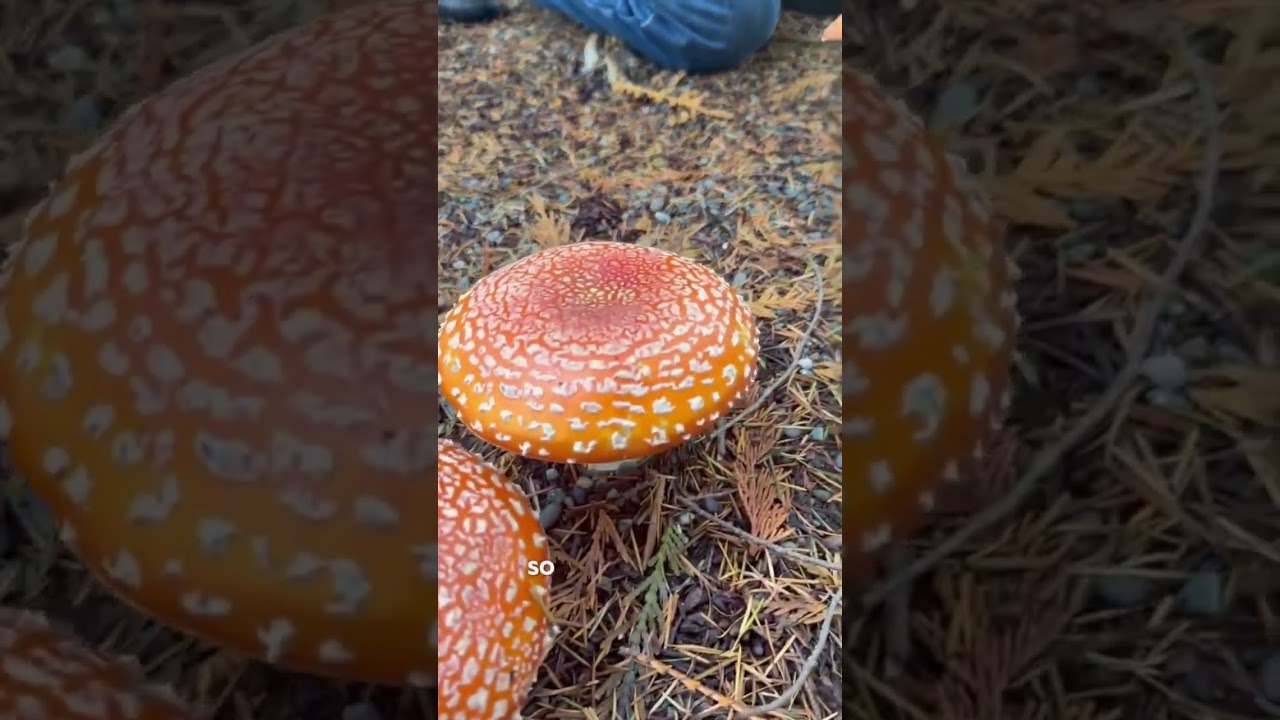
Paul Stamets presents a five-day time-lapse video documenting the complete fruiting cycle of a certified organic shiitake mushroom kit from Fungi Perfecti, demonstrating how rapidly mushrooms can develop from initial primordia to mature, harvestable fruit bodies. The video visually condenses nearly a week of fungal growth into seconds, revealing the biological speed and efficiency of cultivated shiitake production in home and commercial settings.
What is a Shiitake Mushroom Cultivation Kit?
A shiitake mushroom growing kit is a self-contained system designed to enable home cultivators to produce edible mushrooms without specialized equipment, expertise, or space. The kit contains a prepared substrate—typically hardwood sawdust colonized with shiitake mycelium—packaged in a way that simplifies the fruiting process. Certified organic kits, like those from Fungi Perfecti, meet strict standards for inputs and processes, ensuring no synthetic chemicals or pesticides are used during production or colonization.
Shiitake mushrooms are among the most commercially valuable and culinarily prized edible fungi globally. Unlike oyster mushrooms, which fruit quickly but produce smaller yields, shiitake requires longer colonization but delivers substantial, meaty fruit bodies rich in umami flavor and prized in Asian and Western cuisines alike. The ability to grow them at home represents a democratization of mycological cultivation, making fresh, organic shiitake accessible to anyone with minimal space.
How Fast Do Shiitake Mushrooms Actually Fruit?
The five-day time-lapse reveals one of the most striking aspects of fungal biology: the speed of fruiting once conditions align. In real time, the colonized substrate requires humidity, fresh air exchange, and appropriate temperature to trigger fruiting pins—the first visible primordia that signal the beginning of mushroom formation. Once these pins emerge, development accelerates dramatically, with mature fruit bodies capable of doubling or tripling in size within 48 to 72 hours.
The compressed visual in this time-lapse demonstrates why mushroom cultivation can be so efficient. Unlike growing vegetables from seed, which may take weeks or months from germination to harvest, a colonized substrate skips the long vegetative phase. The mycelium is already established throughout the growing medium. When triggered properly, the fungus rapidly mobilizes nutrients and moisture into fruiting structures, making the jump from invisible mycelial network to visible, harvestable mushroom happen in days rather than months.
What Conditions Trigger Mushroom Fruiting?
Although the video doesn't narrate conditions in detail, the successful fruiting captured depends on several critical factors that cultivators using Fungi Perfecti kits must manage:
- Humidity: Mushrooms are largely water. Fruiting requires sustained high humidity, typically 85–95%, to prevent fruit bodies from drying out during their explosive growth phase.
- Fresh air exchange: Despite their fungal nature, fruiting mushrooms require oxygen. Without adequate air circulation, pins may abort or develop deformities.
- Temperature: Shiitake fruit optimally between 55–70°F (13–21°C), making them ideal for spring and fall cultivation in most climates, though kits can be managed indoors year-round.
- Light: While mycelium colonizes in darkness, fruiting is triggered and sustained by light—either natural or supplemental—though shiitake don't require intense light levels.
The visual progression in the time-lapse likely represents a kit being misted regularly (to maintain humidity), placed in a space with indirect light and adequate air circulation, and kept at a temperature range conducive to fruiting. Each of these factors compounds to create the conditions visible in the video.
Why Choose Certified Organic Mushroom Kits?
The emphasis on "certified organic" in the video title signals an important distinction in mushroom cultivation. Organic certification for substrates and spawn means no synthetic fertilizers, pesticides, or fungicides were applied during production. For home growers concerned about food safety and chemical residues, this matters significantly.
Shiitake mycelium is relatively disease-resistant compared to other cultivated species, but contamination risks exist during colonization. Organic kits rely on substrate quality, temperature management, and hygiene rather than chemical intervention to prevent mold or competitor fungi. This approach aligns with Paul Stamets' broader advocacy for mycology as an ecological practice—one that harnesses fungi's natural competitive abilities rather than suppressing competitors chemically.
What Can Home Cultivators Expect From a Kit?
The five-day fruiting window shown in this time-lapse is optimized—representing ideal conditions and potentially a single flush captured efficiently. In practice, home cultivators using similar kits typically experience the following timeline:
- Week 1-2 post-purchase: The kit arrives colonized and ready to fruit. Growers initiate "pinning" by introducing the prescribed humidity, air, light, and temperature regimen.
- Week 2-3: Pins appear and rapidly expand into young mushrooms, much like what the time-lapse captures.
- Week 3-4: First flush (harvest of mature mushrooms) occurs. A single kit may yield 1–2 pounds or more of fresh shiitake, depending on size and conditions.
- Multiple flushes: After harvesting, kits can be "shocked" (exposed to cold water) to trigger secondary flushes, extending productivity over months.
The rapid fruiting visible in the video is thus not anomalous—it's the normal speed at which shiitake mycelium expresses its fruiting capacity once substrate colonization is complete.
The Role of Paul Stamets and Fungi Perfecti in Home Mushroom Culture
Paul Stamets is among the world's foremost mycologists and a pioneer in popularizing mushroom cultivation outside of commercial and research contexts. Fungi Perfecti, his company, has commercialized cultivation kits and spawn products specifically designed for home growers, educators, and small-scale producers. By documenting fruiting cycles visually—as in this time-lapse—Stamets demonstrates the accessibility and reproducibility of mycological cultivation.
The time-lapse video serves both as proof-of-concept (showing that the kit works) and as an educational tool (illustrating the biological pace of fungal fruiting). For viewers unfamiliar with mushroom biology, the compressed video reframes what might seem like magical or mysterious as a straightforward, observable biological process.
What Does This Time-Lapse Teach About Fungal Growth?
Beyond its immediate value as a product demonstration, the five-day time-lapse offers insights into fungal biology that apply across species and contexts:
- Mycelial networks are metabolically efficient: The bulk of energy expenditure happens before fruiting, during colonization. Once the network is established, fruiting—the reproductive strategy—proceeds rapidly with available resources.
- Fungal development is nonlinear: Unlike animals, fungi don't follow predictable daily growth increments. Growth accelerates exponentially once conditions trigger fruiting hormones.
- Environmental conditions have immediate effects: Humidity and air exchange changes can be seen within hours in the video. This responsiveness is typical of fungi, which lack the buffering systems animals use to maintain homeostasis.
- Fruiting is an investment in reproduction: The rapid formation and expansion of fruit bodies represent a concentrated biological effort to produce and disperse spores, the fungal equivalent of seeds.
Practical Applications for Cultivators
Home growers and small-scale producers can draw several practical conclusions from viewing this time-lapse:
Timing matters: Once a kit begins pinning, the fruiting phase moves quickly. Delayed harvesting by even a day or two can affect mushroom texture, with fruit becoming softer or beginning to drop spores. Monitoring kits during the pinning stage is essential.
Conditions must be stable: The rapid growth visible in the video depends on consistent humidity, air exchange, and temperature. Fluctuations in any of these can stall development or cause abnormalities. The time-lapse's smooth progression implies stable conditions throughout the five days.
Colonized substrate is powerful: The speed of fruiting underscores why colonized spawn and substrates are more efficient for home cultivators than attempting to colonize from scratch. The mycelium has already invested heavily in vegetative growth; fruiting is the payoff.
Where to Go From Here
For those inspired by this time-lapse to try shiitake cultivation, the path forward is straightforward. Certified organic kits like those from Fungi Perfecti are available online and include substrate, spawn, and basic instructions. Start with a single kit to learn the humidity, air, and temperature requirements specific to your home environment. Document your own fruiting cycle—take photos or video daily to see the progression firsthand.
Beyond kits, cultivators interested in deeper learning can explore Paul Stamets' published works on mushroom cultivation, including *Growing Gourmet and Medicinal Mushrooms*, which covers substrate preparation, contamination prevention, and optimization of yields. Online communities focused on home cultivation also share troubleshooting, variety recommendations, and seasonal strategies.
Finally, consider the ecological implications of growing your own mushrooms. Home cultivation reduces food miles, supports organic practices, and connects cultivators directly to the biology and metabolism of fungi—an understanding increasingly valuable as fungi are recognized for roles in ecosystem health, decomposition, and nutrient cycling that extend far beyond culinary applications.