EveryEvent ATL

すべてのEventsを見る

Find every event in Atlanta

events

Concerts & Live Music
Festivals
Sports & Recreation
Food & Drink
Arts & Culture
Community
Family & Kids
Nightlife
Comedy
Theater
人気の目的地
BaliSedonaLos AngelesCosta RicaNew YorkSan FranciscoAustinMiamiJoshua TreeTulum
すべてのカテゴリを見るすべての目的地を見る

すべての機能を探索

イベントを成長させる強力なツール

プラットフォーム機能

スマートダイナミックプライシング
チケットカテゴリ
座席指定
カート放棄リカバリー
訪問者リカバリー
寄付とスライディングスケール
アフィリエイトシステム
チケットスキャナー
クーポンコード
カスタム質問
チケット共有
アップセルとアドオン
分析とレポート
メールシーケンス
ウェイトリスト / 通知 / リマインダー
探索
Discovery HubArtists & PerformersVenuesKnowledge Base
すべての機能を見る私たちについて
料金ブログ
Language
Saved events
すべてのイベントを見る

events

Concerts & Live MusicFestivalsSports & RecreationFood & DrinkArts & CultureCommunityFamily & KidsNightlife

人気の目的地

BaliSedonaLos AngelesCosta RicaNew YorkSan Francisco

探索

Discovery HubArtists & PerformersVenuesKnowledge Base

プラットフォーム機能

スマートダイナミックプライシングチケットカテゴリ座席指定カート放棄リカバリー訪問者リカバリー寄付とスライディングスケールアフィリエイトシステムチケットスキャナークーポンコードカスタム質問チケット共有アップセルとアドオン分析とレポートメールシーケンスウェイトリスト / 通知 / リマインダー
すべての機能を見る私たちについて
料金ブログ
ログイン新規登録イベント主催者
  • Browse All Events
  • Concerts & Live Music
  • Festivals
  • Sports & Recreation
  • Food & Drink
  • Arts & Culture
  • Community
  • Family & Kids
  • Nightlife
  • すべてのカテゴリ →
  • Savannah
  • Athens
  • Blue Ridge
  • Chattanooga
  • Charleston
  • All Destinations →
  • For Promoters
  • For Artists
  • For Venues
  • For Festivals
  • For Event Spaces
  • For Nonprofits
  • For Bloggers
  • For Speakers
  • Brand Ambassador
  • Case Studies
  • 35万人以上のバイヤーネットワーク
  • カート放棄リカバリー
  • スマートダイナミックプライシング
  • チケットカテゴリ
  • 定期イベント
  • 座席指定
  • アフィリエイトシステム
  • ウェイトリスト / 通知
  • チケットスキャナー
  • 埋め込みウィジェット
  • イベント配信
  • メッセージセンター
  • インテグレーション
  • レポート
  • すべての機能 →
  • 概要
  • エコシステム
  • ブログ
  • 用語集
  • インスピレーション
  • ヘルプセンター
  • お問い合わせ
  • APIドキュメント
  • ブランドアセット
  • 採用
  • プレス
  • 利用規約
  • プライバシーポリシー

Events

  • Browse All Events
  • Concerts & Live Music
  • Festivals
  • Sports & Recreation
  • Food & Drink
  • Arts & Culture
  • Community
  • Family & Kids
  • Nightlife
  • すべてのカテゴリ →

Getaways

  • Savannah
  • Athens
  • Blue Ridge
  • Chattanooga
  • Charleston
  • All Destinations →

For Organizers

  • For Promoters
  • For Artists
  • For Venues
  • For Festivals
  • For Event Spaces
  • For Nonprofits
  • For Bloggers
  • For Speakers
  • Brand Ambassador
  • Case Studies

機能

  • 35万人以上のバイヤーネットワーク
  • カート放棄リカバリー
  • スマートダイナミックプライシング
  • チケットカテゴリ
  • 定期イベント
  • 座席指定
  • アフィリエイトシステム
  • ウェイトリスト / 通知
  • チケットスキャナー
  • 埋め込みウィジェット
  • イベント配信
  • メッセージセンター
  • インテグレーション
  • レポート
  • すべての機能 →

会社

  • 概要
  • エコシステム
  • ブログ
  • 用語集
  • インスピレーション
  • ヘルプセンター
  • お問い合わせ
  • APIドキュメント
  • ブランドアセット
  • 採用
  • プレス
  • 利用規約
  • プライバシーポリシー
EveryEvent
© 2026 EveryEvent Atlanta. 全著作権所有.
Inspire

Music as Path to Soul:Mantras, Kirtan, and Divine Connection

Jai Uttal
Jai Uttal
May 21, 2019
読了 約8分
視聴 · 5

In this short film, kirtan artist Jai Uttal reflects on music as the bridge between the individual soul and the divine. From his teenage discovery of kirtan to his meeting with his guru Neem Karoli Baba in India, Uttal describes how the rhythmic and melodic repetition of mantras functions as a vessel for the heart—carrying intention and longing toward God. He explains how kirtan works as an interactive practice where each participant brings their whole being, creating a collective field of spiritual energy and shared passion that moves from person to person.

読む · 6セクション

What Is Music's Relationship to the Soul?

From his earliest years, Jai Uttal experienced music not as entertainment or technical skill, but as the direct link to his own soul. This understanding shaped his entire spiritual approach. Every note, every melodic phrase becomes a vehicle—not for display or performance, but for proximity to the sacred. As he describes it, the purpose of music in his practice is threefold: to bring the singer and listener closer to God, to connect each person to their own deeper self, and to touch the souls of others around them. This conception reverses the ordinary notion of music as an external art form meant to impress or move an audience. Instead, music becomes an inward technology of the soul.

This perspective emerged long before Uttal formalized his spiritual path. The sense that music was the link to his soul was intuitive, present from the beginning. Only later did he meet teachers and traditions that gave language and structure to what he already knew.

How Do Mantras Function as Sacred Vessels?

When Jai Uttal first encountered kirtan as a teenager, he was struck by something beyond the conventional appeal of rhythm and melody. It was the repetition—the rhythmic and melodic repetition of these mantras—that held power. Rather than a drawback or limitation of the form, this repetition is the engine of transformation. It allows the mind to settle, the heart to focus, and the nervous system to attune to a single frequency of intention.

Uttal describes mantras using the metaphor of a vessel. The people singing together are not using the words in a literal, conceptual way. Instead, they are placing their hearts—their deepest longing and sincerity—into the mantra itself. The mantra then becomes the container. And from that container, the collective heart sails "into the divine ocean like a message in a bottle that we pray will be picked up by our beloved on the other shore." This image captures both the humility of the practice (we do not demand or claim the divine reaches us) and its intention (we sing toward the divine with hope). The mantra is the vessel; the ocean is boundless possibility; the message is the collective longing of all who sing.

This understanding means that the power of mantra is not linguistic or intellectual. It does not depend on the singer understanding Sanskrit or conceptually grasping what the words mean. The power lies in the sincere placing of the heart into the repetitive utterance, again and again.

What Role Did His Guru Play in Deepening His Practice?

There was a gap in Jai Uttal's early spiritual experience. When he first began singing, the experience felt "full and whole"—but it also felt "desperately longing for divine connection." The longing itself was complete, but the reciprocal connection, the sense of being met by the divine, had not yet deepened. This longing lived in him until he traveled to India and met his guru, Neem Karoli Baba.

Neem Karoli Baba (1900-1973) was a Hindu saint revered for his presence, his teaching through paradox and silence, and his particular relationship with the divine name. It was from this guru that Uttal received a specific instruction: say "RAM." Neem Karoli Baba taught that RAM is one of the divine mantras, one of the names of God. And he offered a promise: "If you say RAM, the impossible becomes possible. All things are possible with that simple word."

This instruction was not abstract philosophy. Uttal "took that to heart"—meaning he received it not as intellectual understanding but as a transmission, a seed planted directly in his being. The simplicity of the practice (a single divine name, repeated) combined with the guru's assurance that the practice itself opens all possibility. The guru's role here is not to explain or convince, but to authorize the practice and point the student toward its power. From that meeting onward, Uttal's sadhana (spiritual practice) had both a form and a faith.

How Does Kirtan Create a Shared Spiritual Experience?

Kirtan is fundamentally different from a performance. It is not a one-way transmission from a skilled artist to a passive audience. Instead, Kirtan is interactive—each person brings their soul, their being, their own capacity to feel and express. In a kirtan circle, there is no spectator. Everyone present is a participant in the creation of the experience.

For this to work, Uttal emphasizes that each person must "find that place in themselves where they can express and explore and share their heart with the people around them." This is not everyone singing the same thing in the same way—it is everyone finding their own authentic relationship to the mantra and to the divine, and then expressing that relationship in the moment. One person might sing quietly, intimately; another with abandon; another with tears. One might sway or move; another might sit still. The diversity of expression is not a problem—it is the texture of the experience.

Once that personal authenticity is present, something collective emerges. As people bring "the intention of honesty and depth," they "feed each other." One person's passion ignites the next, and the next. The energy does not stay contained within the individual—it is contagious, moving from person to person, creating a field. This is why a kirtan can feel so much more alive and potent than the same mantra sung alone. It is not just addition; it is multiplication. The field itself becomes the teacher.

This also explains why the facilitator's (the lead singer's) openness and vulnerability matter so much. The facilitator is not performing a song they have perfected; they are modeling the vulnerability of bringing one's whole heart to a simple repetition. They are inviting others into that same vulnerability. When that invitation is genuine, it makes it safer for everyone else to be genuine too.

What Makes Kirtan Different From Other Forms of Spiritual Music?

Jai Uttal's approach to kirtan is rooted in bhakti yoga—the yoga of devotion. In bhakti, the relationship with the divine is personal, intimate, emotional. There is no pretense of objectivity or distance. The singer is explicitly longing for God, calling to the beloved, expressing hunger and devotion. This is not meditation in the sense of seeking a blank mind or non-dual absorption (though those may come). It is the yoga of the heart, of relationship, of the beloved and the lover in dialogue.

The repetition of the mantra in kirtan serves this emotional and relational purpose. Rather than leading to transcendence of emotion, it deepens and purifies emotion, turning personal longing into transpersonal longing. The "I" that sings does not disappear—it becomes more fully itself, more fully open. The mantra becomes the language in which the heart speaks to the divine.

This is why Uttal's description of finding "that place" in oneself is so important. It is the place where one's deepest longing, deepest devotion, and deepest authenticity meet. In kirtan, that place is not private—it is shared. But it remains individual. Each person finds their own place, their own authentic voice, their own way of saying "I am here, I am longing, I am present with my whole heart."

Where to go from here

If this exploration of music as a spiritual vessel resonates, you might explore the practice directly. Many communities around the world offer kirtan circles—open gatherings where anyone can sing along, no musical skill or prior knowledge required. The form itself is designed to welcome the newcomer. You might also seek out recordings of kirtan to listen to, allowing the rhythmic and melodic repetition to work on you without the pressure of participation. If you feel called to a deeper relationship with mantra practice, studying with a teacher in the bhakti tradition can provide both the technique and the spiritual context to deepen the practice over time. Finally, the principle that Jai Uttal articulates—that music connects us to our souls and to the divine—can extend beyond kirtan. Any music or sound practice undertaken with genuine intention and an open heart can serve as that vessel.

Transcript

[0:07] there was the sense from very early on

[0:10] that that music was the link to my soul

[0:17] does that idea that every note every bit

[0:23] of music that we play or sing is to

[0:26] bring us closer to God bring us to bring

[0:28] us closer to our own souls to bring us

[0:31] closer to them Souls around us and to

[0:34] touch their feet

[0:39] [Music]

[0:46] Oh

[0:48] I

[0:51] [Music]

[0:53] Oh

[0:54] [Music]

[0:57] [Applause]

[0:59] since I was a teenager I first first

[1:02] heard kirtan I found it really

[1:04] completely Jen's fixing it but it was

[1:08] something about the rhythmic and melodic

[1:11] repetition of these mantras they have so

[1:14] much so much energy I often create the

[1:18] mantras as like a vessel you know we're

[1:20] putting our heart into this vessel these

[1:23] mantras and they're sailing into the

[1:26] divine ocean like a message in a bottle

[1:30] that we pray will be picked up by our

[1:34] beloved on the other Shore

[1:39] [Music]

[1:41] [Applause]

[1:45] [Music]

[1:47] someday

[1:53] place that I touched when I first

[1:56] started singing while it felt full and

[2:01] whole it also felt desperately longing

[2:06] for divine connection allowing myself to

[2:10] sit in that place didn't really fully

[2:14] happen until I met my guru in India neem

[2:17] Karoli Baba he told me to say ROM ROM is

[2:24] one of the divine mantras it's one of

[2:25] the names of God and he said if you say

[2:28] ROM the impossible becomes possible all

[2:32] things are possible with that simple

[2:34] word so I took that to heart

[2:38] [Music]

[2:41] ah

[2:55] [Music]

[3:06] [Music]

[3:20] Oh

[3:21] [Music]

[3:26] sit down

[3:30] [Music]

[3:37] since kirtan is interactive each person

[3:41] who comes brings their soul and their

[3:44] being to the experience everyone must

[3:49] find that place in themselves where they

[3:51] can express and explore and share their

[3:55] heart with the people around them and

[3:56] that creates their own experience of

[3:59] course as we all bring the intention of

[4:02] honesty depth we all feed each other our

[4:07] passion goes to the next person to the

[4:09] next person to the next person

[4:15] I

[4:21] [Music]

[4:23] Oh

[4:42] [Music]

Jai Uttal
著者Jai Uttal

American kirtan singer, multi-instrumentalist, and pioneer of devotional sound in the West — one of the central figures, alongside Krishna Das, Snatam Kaur, and Deva Premal, in the…

プロフィールを見るウェブサイト
トピックを見る
KirtanMantraBhakti-yogaDivine-connectionMusic-spirituality

ご質問はありますか?

よくある質問

In Jai Uttal's teaching, a mantra is not a concept to be understood intellectually, but a container for sincere intention and longing. Practitioners place their hearts—their deepest feelings and devotion—into the repeated utterance of the mantra, which then carries that collective intention toward the divine, like a message in a bottle sailing into the ocean.
Kirtan is interactive and participatory, not a performance. Each person brings their whole being and finds their own authentic way to express and share their heart. The shared intention of honesty and depth creates a collective energy field where one person's passion ignites the next, multiplying the spiritual impact beyond what any individual could create alone.
A guru transmits both a form (the mantra or practice to do) and a faith (the assurance that the practice opens spiritual possibility). In Jai Uttal's case, his guru Neem Karoli Baba gave him the mantra RAM and taught that saying it makes the impossible possible, planting a seed of trust and authorization in his practice.
Yes. Kirtan is designed to welcome anyone regardless of musical background. The power lies not in perfect pitch or technique, but in the sincerity of bringing your heart to the repetition of the mantra and the willingness to share your authentic presence with others.
The rhythmic and melodic repetition allows the mind to settle and the heart to focus on a single frequency of intention. Through repetition, individual longing becomes transpersonal longing, and the mantra becomes the language in which the soul speaks to the divine, deepening and purifying emotion rather than transcending it.
As each participant brings genuine intention and openness, they feed each other's passion and presence. The energy moves from person to person, creating a collective field that is more alive and potent than any individual could generate alone—this multiplication of presence is central to why kirtan feels so transformative.

読みつづける

More from Jai

すべて表示
How the Bauls of Bengal Broke My Sky: A Musician's Search
Featured

How the Bauls of Bengal Broke My Sky: A Musician's Search

A chance encounter on a dirt path in West Bengal led to a musical awakening. Jai Uttal traces how the outcasts of Bengali culture transforme…

1 min read
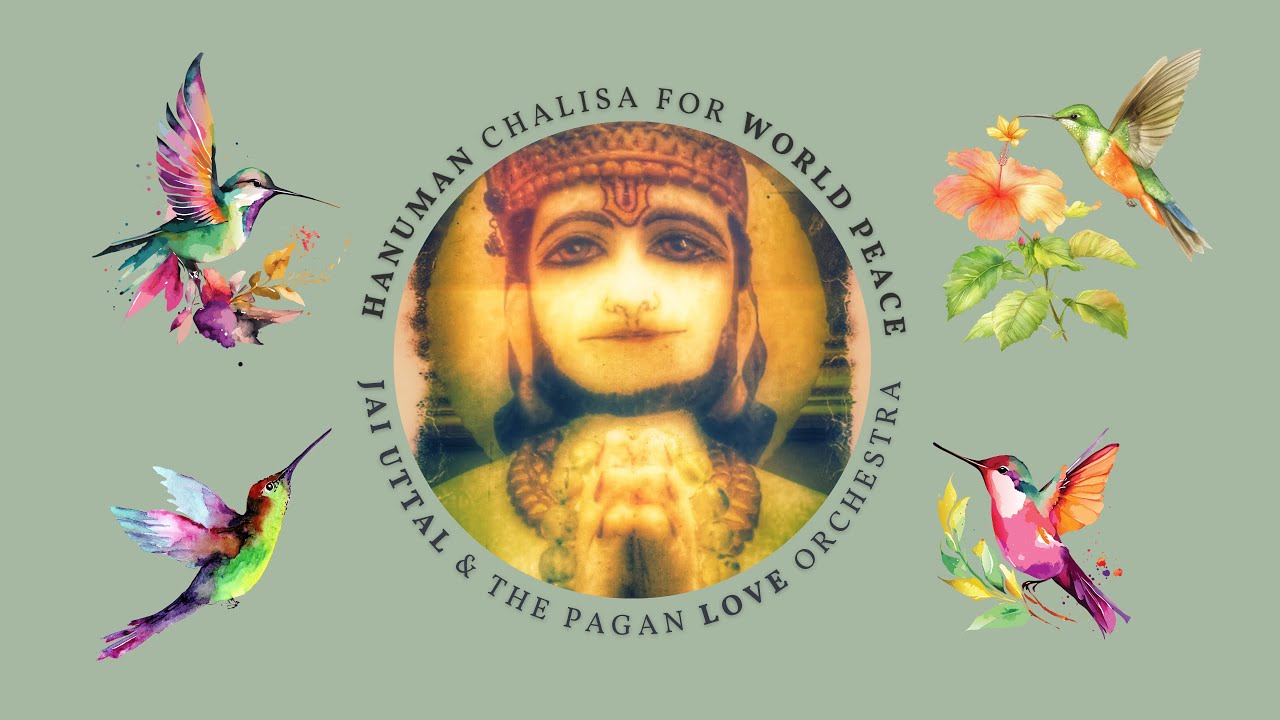
Hanuman Chalisa for World Peace: Ancient Chant for Modern Times
Featured

Hanuman Chalisa for World Peace: Ancient Chant for Modern Times

Jai Uttal leads a devotional rendering of the Hanuman Chalisa, a 40-verse Sanskrit hymn invoking strength, clarity, and peace through kirtan…

1 min read
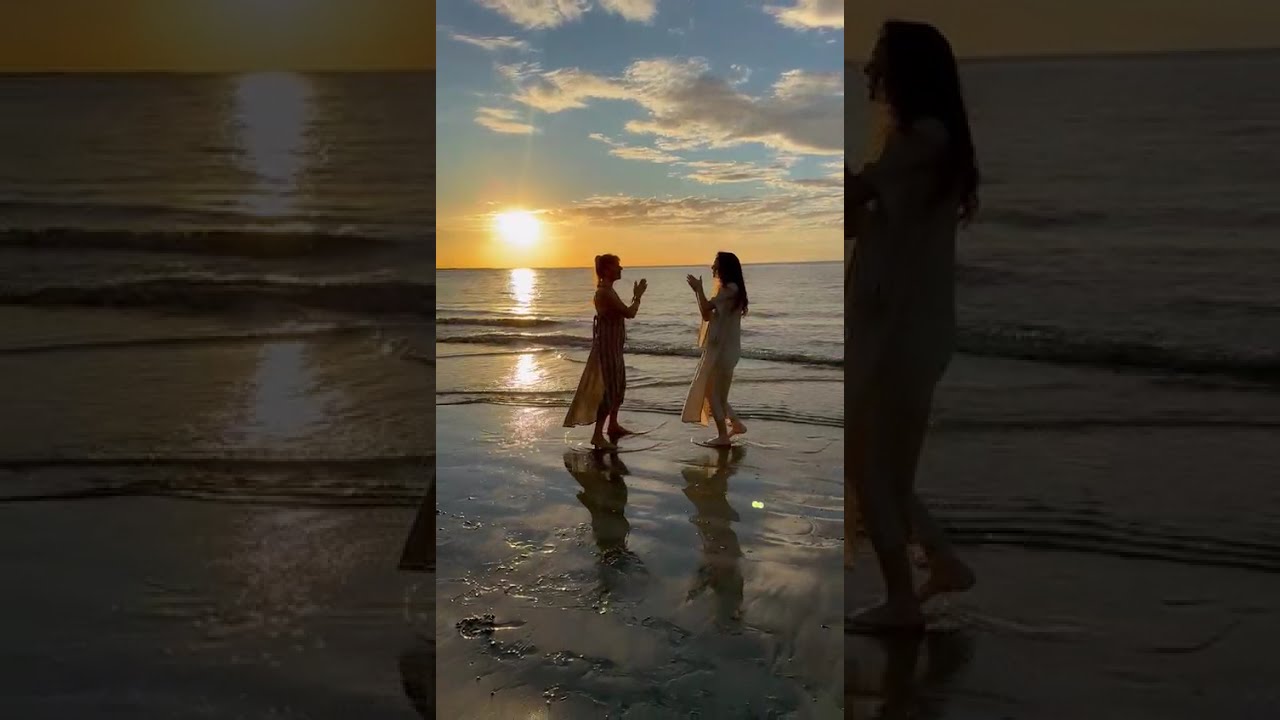
Yemaya Reimagined: Ocean Goddess Chant Unites Voices
Featured

Yemaya Reimagined: Ocean Goddess Chant Unites Voices

A new duet celebrating the Yoruba ocean goddess brings together two voices in a healing chant born from serendipitous meeting in Costa Rica.…

1 min read
Ocean Goddess Rising: Two Voices Reimagine Yemaya
Featured

Ocean Goddess Rising: Two Voices Reimagine Yemaya

Deva Premal and Ajeet unite in a devotional collaboration honoring Yemaya, the Yoruba ocean goddess, recorded in Costa Rica with arbutar acc…

1 min read

探索を続ける

旅をつづける

BrightStarのディレクトリから、さらなる智慧と集いを。

もっと記事を読む

教え、インタビュー、ガイドのライブラリ全体をご覧ください。

すべての記事に戻る →

講師とアーティスト

コンシャスな世界の系譜、音楽家、導き手を探しましょう。

アーティストを探す →

イベントを見つける

キルタン、リトリート、サウンドバス、ブレスワーク、フェスティバル — まもなく開かれます。

イベントを見る →