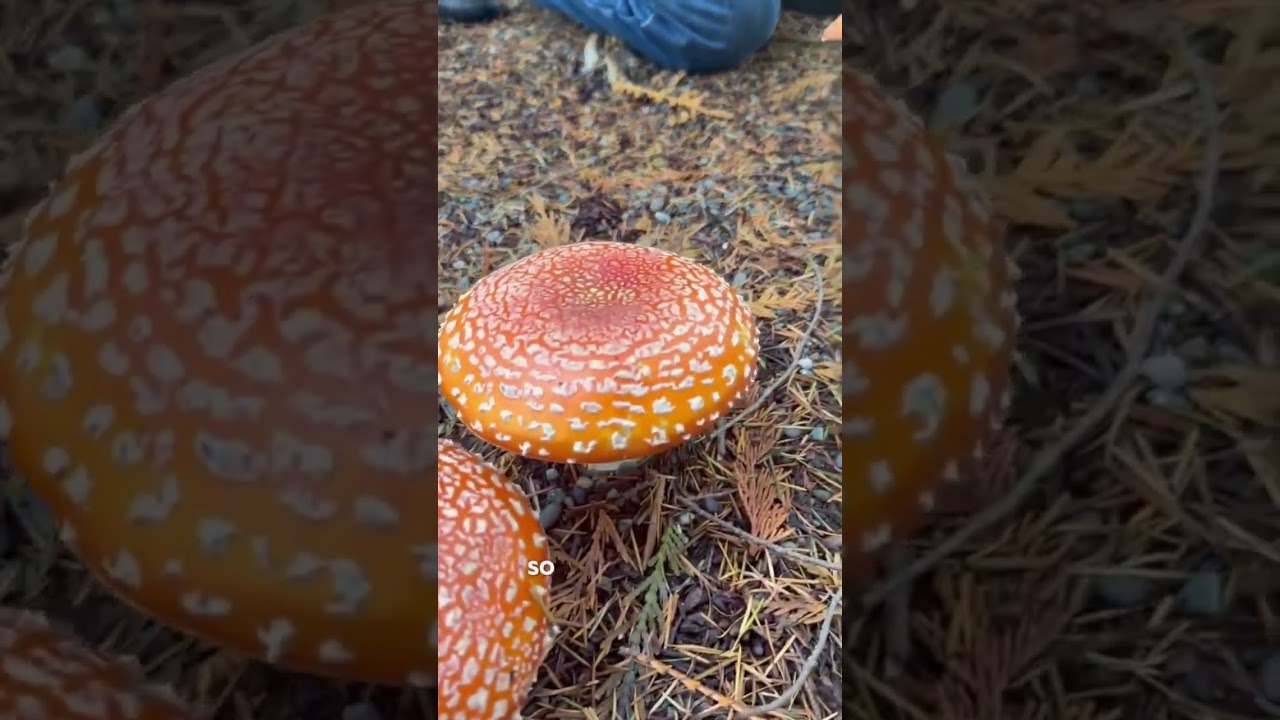
In this timelapse, Paul Stamets documents the five-day fruiting cycle of the King Stropharia (Stropharia rugoso-annulata), a resilient and multifunctional mushroom species. Beyond its visual beauty, the King Stropharia serves multiple ecological purposes: it improves garden health, actively breaks down harmful bacteria like E. coli, and demonstrates mycoremediation capabilities by decomposing TNT and other toxic compounds. Individual fruiting bodies can reach up to five pounds, making it both a practical food source and a powerful tool for environmental restoration.
What Is King Stropharia and Why Does It Matter?
The King Stropharia, scientifically known as Stropharia rugoso-annulata, is a gourmet and medicinal mushroom that has gained attention in both cultivation and permaculture circles. Unlike many cultivated mushrooms that require sterile laboratory conditions, King Stropharia is notably resilient and can thrive in outdoor garden environments. This hardiness makes it accessible to home growers and farmers alike, opening pathways to both food production and environmental remediation.
The timelapse demonstrates the dramatic transformation that occurs over just five days, compressing the fruiting process into a visual narrative that reveals the mycelium's remarkable efficiency. For those unfamiliar with mushroom biology, fruiting is the reproductive stage where the mycelium network suddenly concentrates energy into visible fruiting bodies—the mushrooms we recognize and consume. The King Stropharia's ability to produce individual fruiting bodies weighing up to five pounds underscores its potential as a serious cultivation target.
How Does King Stropharia Help Gardens?
One of the most compelling reasons to cultivate King Stropharia in a garden setting is its direct contribution to soil health and garden productivity. Mushrooms, as decomposers, break down organic matter and recycle nutrients back into the soil. The King Stropharia's mycelium acts as a living infrastructure that improves soil structure, water retention, and nutrient availability for neighboring plants.
Beyond passive soil amendment, the King Stropharia actively suppresses pathogens. In garden contexts, pathogenic fungi and bacteria can severely limit crop production. The mycelium of King Stropharia produces metabolites that compete with or inhibit harmful microorganisms, creating a more balanced microbial ecosystem. This biological approach to pest and disease management reduces the need for chemical interventions, making gardens more resilient and sustainable.
What Makes King Stropharia a Bacterial Decomposer?
One of the most remarkable properties documented in Stamets' work is the King Stropharia's ability to break down E. coli and other harmful bacteria. This capability stems from the enzymatic arsenal that mushrooms deploy during decomposition. The mycelium secretes powerful enzymes—including peroxidases and laccases—that can oxidize and break down complex organic and inorganic compounds, including bacterial cell walls and metabolic byproducts.
This property has profound implications for water quality and food safety. Gardens treated with King Stropharia mycelium show measurable reductions in pathogenic bacteria, which is particularly valuable in permaculture systems, agricultural runoff treatment, and even wastewater management. The mushroom essentially harnesses biochemical processes to purify its immediate environment—a process that occurs naturally as part of its metabolic functioning.
Can Mushrooms Really Decompose TNT and Hazardous Compounds?
Perhaps the most striking claim associated with King Stropharia is its demonstrated capacity to break down TNT and other recalcitrant (highly resistant) compounds. This phenomenon, known as mycoremediation, relies on the same enzymatic pathways that allow mushrooms to decompose lignin and cellulose in dead wood. TNT, despite being a synthetic molecule, can be fragmented by the oxidative enzymes that fungi produce.
The mycoremediation capabilities of mushrooms have been studied extensively by mycologists, and the results suggest that fungi can degrade not only TNT but also petroleum byproducts, heavy metals (through sequestration), pesticides, and other environmental pollutants. This opens possibilities for using King Stropharia and related species in bioremediation projects—converting contaminated sites into productive mushroom gardens. While most readers may not have TNT to dispose of, the underlying principle demonstrates that mycelium can process compounds that resist bacterial or chemical breakdown.
How Fast Do King Stropharia Fruiting Bodies Grow?
The five-day timelapse captures the remarkable speed of fruiting body development. From primordia (the earliest visible fruiting body clusters) to mature mushrooms, the process unfolds with visible urgency. During peak fruiting conditions—when moisture, temperature, and oxygen levels align—King Stropharia mycelium can mobilize biomass at an astounding rate, generating fruiting bodies that swell to full size in a matter of days.
This rapid growth is possible because the mycelium has already colonized the substrate over preceding weeks, accumulating energy reserves in the form of stored carbohydrates and other compounds. When environmental triggers signal fruiting conditions, the mycelium redirects this energy toward fruiting body production. The speed of development correlates with the mushroom's competitive advantage in nature: rapid fruiting allows it to disperse spores before environmental conditions deteriorate.
What Sizes Can Individual King Stropharia Fruiting Bodies Reach?
The statement that King Stropharia can produce fruiting bodies up to five pounds each is significant both practically and biologically. Such large fruiting bodies require substantial nutrient mobilization and represent a significant investment of mycelial energy. This size potential makes King Stropharia attractive to growers seeking high yields per fruiting cycle, and it also suggests robust mycelial vigor and substrate colonization.
For comparison, many common edible mushrooms—button mushrooms, oyster mushrooms—produce fruiting bodies measured in ounces. A five-pound fruiting body is exceptional and reflects the species' capacity to access and concentrate resources. This size advantage translates into practical benefits: fewer fruiting cycles needed to reach harvest targets, higher caloric yield per unit of substrate, and the ability to serve larger culinary or medicinal purposes from a single specimen.
How Is King Stropharia Cultivated at Home?
While the timelapse doesn't explicitly detail cultivation methods, Stamets' broader work emphasizes that King Stropharia is one of the more accessible mushrooms for home and garden cultivation. The species thrives on straw, wood chips, and composted materials—substrates readily available to most gardeners. Unlike species requiring specialized growing chambers, King Stropharia can fruit outdoors in garden beds, making it an excellent entry point for those new to mushroom cultivation.
Successful King Stropharia cultivation requires consistent moisture, adequate oxygen (readily available outdoors), and temperatures in the moderate range. The mycelium colonizes substrate over several weeks, after which environmental cues trigger fruiting. Once fruiting begins, the timelapse documents, development proceeds rapidly. The species' resilience means that minor deviations from ideal conditions rarely prevent fruiting, unlike more finicky species.
What Are the Medicinal and Nutritional Properties?
The King Stropharia's classification as a medicinal mushroom reflects its content of bioactive compounds. Like many fungi, it contains polysaccharides (including beta-glucans), proteins, and secondary metabolites with documented immunomodulatory effects. These compounds are thought to support immune function, making King Stropharia relevant not only as a food but as a therapeutic agent in traditional and contemporary medicine.
Nutritionally, King Stropharia provides protein, fiber, vitamins (particularly B vitamins), and minerals. Its low caloric density combined with high nutritional value makes it a valuable addition to diets focused on whole foods. The gourmet designation indicates that beyond medicinal properties, the mushroom is valued for culinary qualities—flavor, texture, and versatility in cooking.
Where to Go from Here
For those interested in exploring King Stropharia cultivation, resources like Stamets' books Mycelium Running and Growing Gourmet & Medicinal Mushrooms provide comprehensive guidance on spawn preparation, substrate selection, fruiting conditions, and troubleshooting. The fungi.com website (mentioned in the video description) offers cultivation supplies, ready-made spawn, and growing kits tailored to different experience levels. Starting with a simple kit or spawn purchase eliminates much of the learning curve and enables growers to observe fruiting cycles firsthand.
Broader applications in mycoremediation—using King Stropharia to treat contaminated soil or water—represent an emerging field. For gardeners and farmers, incorporating King Stropharia into permaculture systems offers multiple benefits: soil improvement, pathogen suppression, food production, and environmental restoration, all from a single species. The timelapse serves as a visual invitation to engage with this mushroom and explore its potential in your own context.