The Unassailable Joy Within
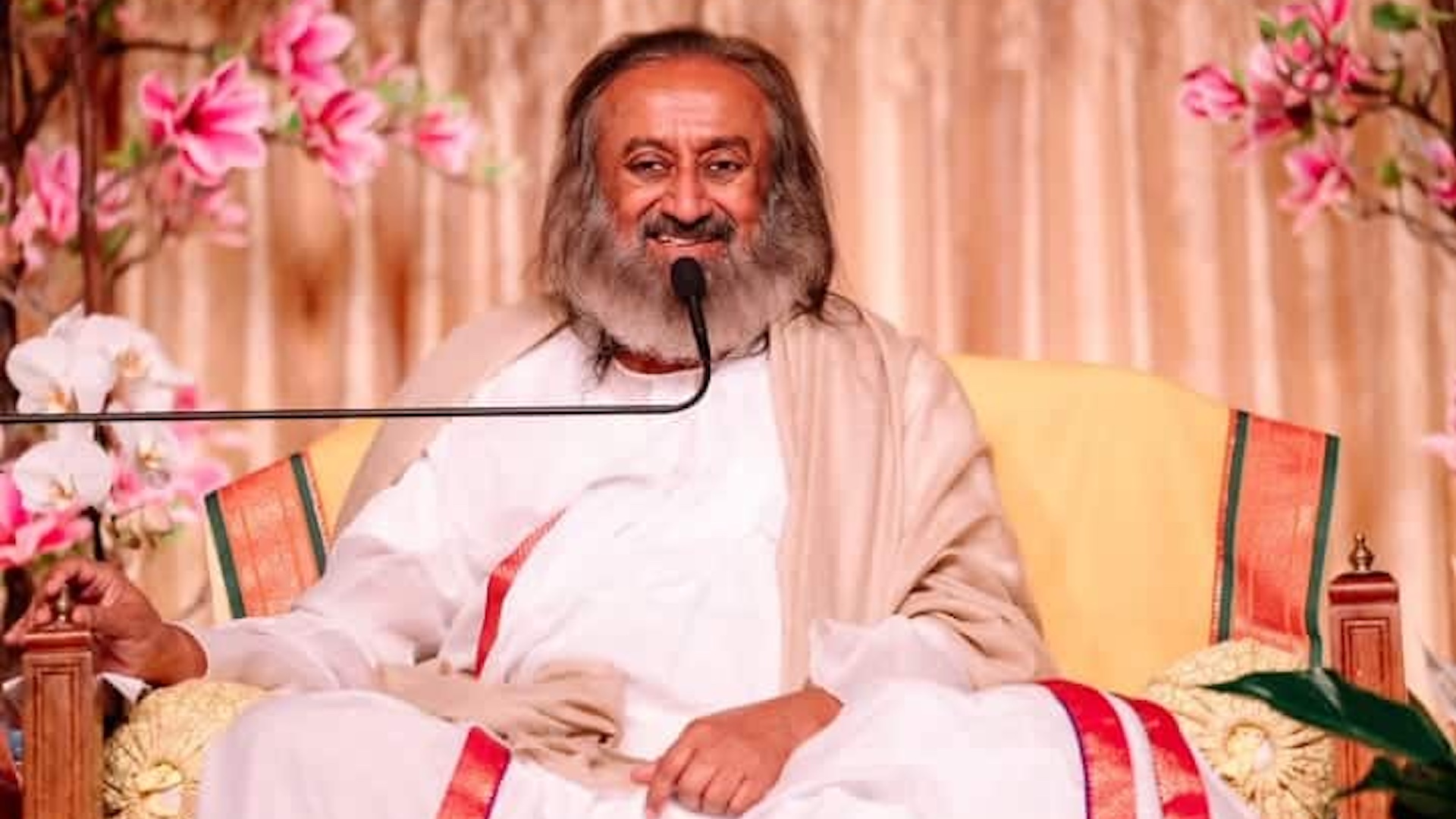
“Joy is your birthright. Do not let anyone steal it.” In these words, Sri Sri Ravi Shankar encapsulates a profound truth about the human experience. Joy, often perceived as a fleeting emotion, is instead presented as an inherent aspect of our being. This assertion invites us to recognize that joy is not merely a privilege to be earned or a reward to be sought; it is our fundamental nature. The stakes are high, for in a world rife with challenges and distractions, the preservation of our joy becomes a sacred duty, one that requires vigilance and intentionality.
To explore this quote further is to delve into the essence of our existence. Joy, as articulated by Sri Sri Ravi Shankar, is not contingent upon external circumstances or validations. It is a state of being that resides within us, waiting to be acknowledged and embraced. The call to protect our joy is a reminder of the myriad forces—be they societal expectations, personal doubts, or negative influences—that can encroach upon our inner peace. Thus, the journey toward reclaiming our joy becomes a path of self-awareness and resilience, urging us to stand guard over our birthright.
The image / the metaphor
The imagery in Sri Sri Ravi Shankar's quote evokes a sense of ownership and guardianship over joy. The term "birthright" suggests that joy is as intrinsic to our identity as the very air we breathe. It implies a natural entitlement, one that is not to be bartered or relinquished. The verb "steal" introduces a sense of urgency and conflict, highlighting the potential for external forces to undermine our innate happiness. This dynamic creates a vivid picture of joy as a precious treasure, one that requires both recognition and protection.
Diving deeper into the metaphor, we can see joy as a garden that flourishes when tended to with care. Just as a gardener must protect their plants from weeds and pests, we too must safeguard our joy from the negativity that surrounds us. This metaphor extends to the idea that joy is not static; it requires nurturing and cultivation. The act of protecting our joy becomes an active engagement, a commitment to fostering an inner landscape that is vibrant and alive, despite the storms that may rage outside.
In the speaker's tradition
Within the framework of Sri Sri Ravi Shankar's teachings, the concept of joy as a birthright aligns closely with the principles of dharma and the pursuit of inner peace. Dharma, often translated as righteousness or duty, emphasizes living in accordance with one's true nature. In this light, joy is not merely a personal experience but a collective responsibility to uphold the harmony of existence. The notion of kenosis, or self-emptying, also resonates here; by letting go of attachments and expectations, we create space for joy to flourish unencumbered.
Moreover, the idea of joy as an inherent quality can be found in various spiritual texts. For instance, in the Bhagavad Gita, Krishna speaks of the eternal self, which remains untouched by the dualities of pleasure and pain. This aligns with the understanding that true joy transcends external circumstances, existing as a constant within the soul. By anchoring ourselves in this wisdom, we can navigate the vicissitudes of life with grace, recognizing that our joy is an unassailable aspect of our being.
Living the teaching
Consider a modern scenario where this teaching resonates deeply: a workplace environment fraught with competition and stress. In such a setting, it is easy to feel that joy is a luxury, overshadowed by deadlines and performance metrics. However, by embracing the notion that joy is our birthright, one can cultivate a mindset that prioritizes well-being over mere productivity. This shift in perspective not only enhances personal satisfaction but can also uplift the collective atmosphere, fostering collaboration and creativity.
A reflection
As we contemplate the essence of Sri Sri Ravi Shankar's words, we are invited to reflect on our own relationship with joy. What practices or beliefs might we need to release in order to reclaim our birthright? In a world that often seeks to diminish our light, how can we actively protect and nurture the joy that resides within us? This inquiry not only deepens our understanding of joy but also empowers us to live authentically, embracing the fullness of our being.