The Freedom of Wanting Nothing
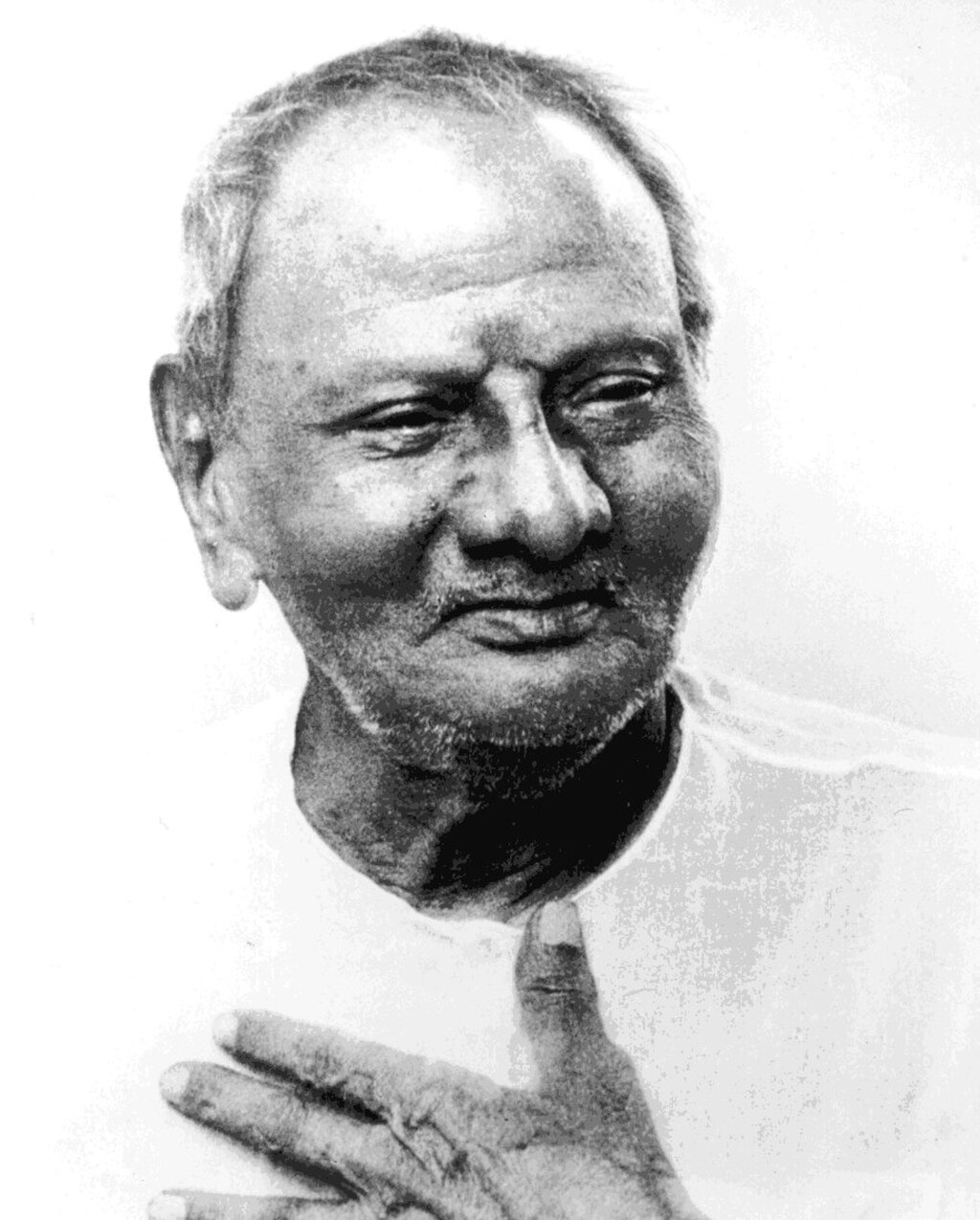
Nisargadatta Maharaj's profound assertion, "The supreme state is to have nothing and to want nothing," invites us into a realm of existence that transcends the ordinary. In this state, we are liberated from the chains of desire and attachment, revealing a profound peace that lies beyond the clutter of material possessions and emotional cravings. This teaching is not merely philosophical; it is a call to experience a deeper freedom, one that resonates with the essence of our being and the nature of reality itself.
To grasp the significance of this quote, we must first confront the pervasive nature of desire in our lives. We often find ourselves ensnared in a cycle of wanting—whether it be for possessions, relationships, or even states of being. This incessant yearning can cloud our perception, leading us away from the tranquility that comes from acceptance and surrender. Maharaj's words challenge us to reconsider our relationship with desire and to explore the possibility of a life unencumbered by the weight of wanting.
The image / the metaphor
The imagery in Maharaj's quote evokes a stark yet liberating vision: a state of being devoid of both possession and desire. The verbs "have" and "want" suggest an active engagement with our inner landscape, where the absence of these elements creates space for something more profound. This state is not one of deprivation but rather an invitation to experience the fullness of existence without the distractions of craving or attachment. It is a paradoxical freedom that emerges when we relinquish our grasp on what we think we need.
Diving deeper into this metaphor, we can see that "having nothing" does not imply a lack of value or richness in life; instead, it points to a profound inner wealth that is accessible when we let go of our attachments. This state of being is akin to a vast, open sky—limitless and expansive—where the clouds of desire and possession drift away, revealing the clarity of our true nature. In this metaphorical landscape, we find that peace and fulfillment arise not from external circumstances but from an inner realization of our interconnectedness with all that is.
In the speaker's tradition
Nisargadatta Maharaj's teachings are rooted in the non-dual tradition, which emphasizes the unity of existence and the illusory nature of separation. Concepts such as *sunyata* (emptiness) and *kenosis* (self-emptying) resonate deeply with his assertion. In this context, the idea of having nothing and wanting nothing aligns with the understanding that our true essence is beyond the dualities of gain and loss, presence and absence. This realization allows us to transcend the ego's incessant demands, leading us to a state of pure awareness.
Living the teaching
Consider a modern scenario where this teaching can be applied: imagine a person who is constantly striving for professional success, believing that a promotion or a new job title will bring them happiness. This relentless pursuit often leads to stress, anxiety, and a sense of inadequacy. By embracing Maharaj's teaching, this individual can begin to recognize that their worth is not tied to external validation. Instead, they can cultivate a sense of contentment and fulfillment that arises from within, allowing them to approach their work with a renewed sense of purpose and peace.
In relationships, the application of this teaching can be transformative as well. Picture a couple who finds themselves in a cycle of wanting more from each other—more attention, more affection, more understanding. This constant craving can create tension and dissatisfaction. By embodying the principle of wanting nothing, they can shift their focus from expectation to appreciation, fostering a deeper connection rooted in acceptance and love. This shift not only alleviates pressure but also opens the door to a more authentic and fulfilling relationship.
A reflection
As we contemplate Maharaj's profound statement, we are invited to reflect on our own lives: What desires or attachments are we clinging to that prevent us from experiencing true peace? In what ways can we practice letting go, embracing the freedom that comes from wanting nothing? This inquiry can serve as a guiding light on our journey toward deeper understanding and liberation, encouraging us to explore the vastness of our being beyond the confines of desire.