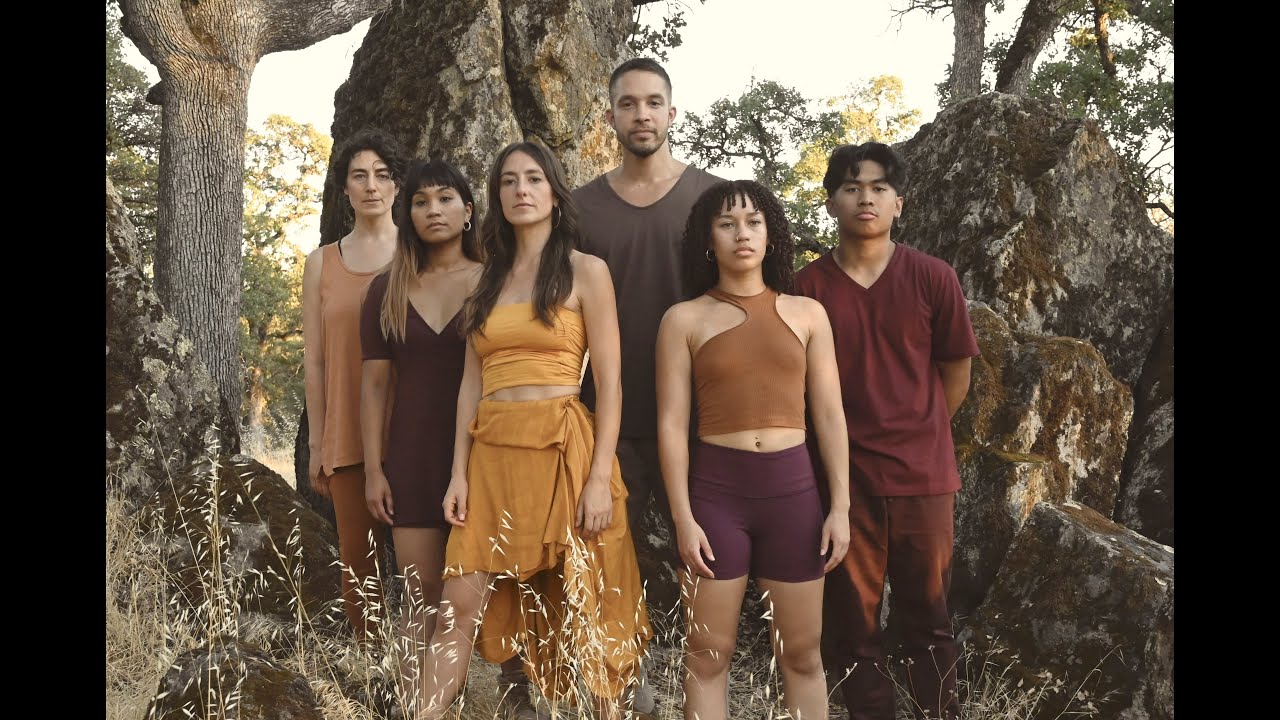
In this offering at Symbiosis Eclipse Gathering, Ayla Nereo explores the concept of the "ivory tongue"—an invitation to awaken your authentic creative voice, meet your muse, and step into a path of creative aliveness. Through sound, language, and embodied artistic practice, she addresses how to access the voice that wants to be expressed through you and move from creative dormancy into active creative participation in the world.
What Does It Mean to Have an Ivory Tongue?
The title "Ivory Tongue" itself carries metaphorical weight. Ivory, precious and rare, suggests something of value—a tongue that is refined, awakened, and capable of speaking truth. Rather than tongue as instrument of speech alone, Nereo frames the voice as a channel for creative expression that extends beyond ordinary language. An ivory tongue is one that has been polished, activated, and aligned with authentic creative impulse. It is the voice that speaks not from habit or conditioning, but from deep creative alignment.
In Nereo's framing, developing this tongue requires turning inward to meet what wants to emerge. It is not about perfecting technique for its own sake, but about creating conditions where your true creative voice can surface and be heard.
How Do You Meet the Muse?
Central to Nereo's teaching is the concept of "meeting the muse"—a deliberate practice of inviting and receiving the creative inspiration that lives within and around you. The muse is not something distant or external that you must chase; rather, it is something that can be courted through intention, attention, and ritual.
Meeting the muse requires:
- Intention: Setting clear purpose around your creative work and what you wish to express.
- Receptivity: Creating a state of openness and vulnerability where inspiration can move through you.
- Practice: Showing up consistently to your creative practice, even before you feel "inspired."
- Sound: Using voice and vocalization as a primary tool for activation and expression.
By framing creativity as a relationship with something both within and greater than yourself, Nereo invites practitioners to shift from a creator-as-solitary-genius model to one of co-creation with the muse.
Why Does Voice Matter in Creative Practice?
Voice is not incidental to Nereo's work—it is central. The voice carries frequency, intention, and embodied truth in ways that other forms of expression may not. When you speak, sing, or vocalize from a place of alignment, you are not merely producing sound; you are transmitting something of your essence.
Many people have been conditioned to suppress their voice—told to be quiet, not to sing, to conform to narrow ideas of what is acceptable. Awakening the voice, then, is also an act of reclamation. It is a return to your own authority and creative power. The ivory tongue is an un-silenced throat, a voice that has permission to exist.
Sound is also generative. When you vocalize, you set frequencies in motion that ripple outward. This is not merely poetic; it is resonant with both scientific understanding of how sound works and ancient traditions that understood language and mantra as creative force.
What Is Creative Aliveness?
Nereo speaks of "walking the path of creative aliveness"—a condition of being awake to the creative impulses moving through your life. This is distinct from productivity or output. Creative aliveness is the felt sense that your creative energy is flowing, that you are engaged with your own generative potential, and that your life itself is an act of creation.
Creative aliveness emerges when:
- You prioritize your creative practice as essential to your wellbeing, not optional.
- You approach your creative work with curiosity rather than judgment.
- You recognize that creativity is not limited to "artists"—it is part of how you move through the world, make choices, and relate to others.
- You allow your voice to be heard, not for applause, but for the sake of honest expression.
In this framing, creative aliveness is akin to being fully alive. It is the opposite of the muted, compliant state many people inhabit. It is reclaiming your role as a creator in your own life.
How Can You Begin to Ignite Your Muse?
Nereo's offering points toward practical engagement. She mentions a free 5-day journey called "Meeting the Muse"—a structured entry point for those ready to begin this work. This suggests that meeting the muse is not abstract philosophy but something you can actively practice and embody over time.
Beginning to ignite your muse might include:
- Vocal practice: Singing, toning, or simply vocalizing without agenda. Let your voice find its own expression.
- Embodied presence: Bringing full attention to your body, breath, and the sensations of being alive as you create.
- Ritual: Creating regular, intentional space for your creative practice—a time and place where the muse knows to find you.
- Listening: Listening not just to external music or art, but to the creative impulses arising within you.
- Community: Sharing your creative expression with others, as Nereo does through her music and teaching.
The work is not about becoming a "better" artist in conventional terms. It is about removing blocks, building permission, and aligning with what wants to come through you.
Where to Go From Here
If this exploration of the ivory tongue and creative awakening resonates with you, Ayla Nereo offers multiple pathways forward. Her free 5-day journey "Meeting the Muse" serves as a practical introduction to these teachings. Her recorded music across platforms—Bandcamp, Spotify, Apple Music, and SoundCloud—offers both an auditory immersion in her creative work and a living example of what it means to walk the path of creative aliveness. Her website and broader course offerings provide deeper exploration for those ready to commit to sustained creative practice. The invitation is clear: your voice matters, your muse is waiting, and the path of creative aliveness is available to you now.