The Joy of Selfless Service
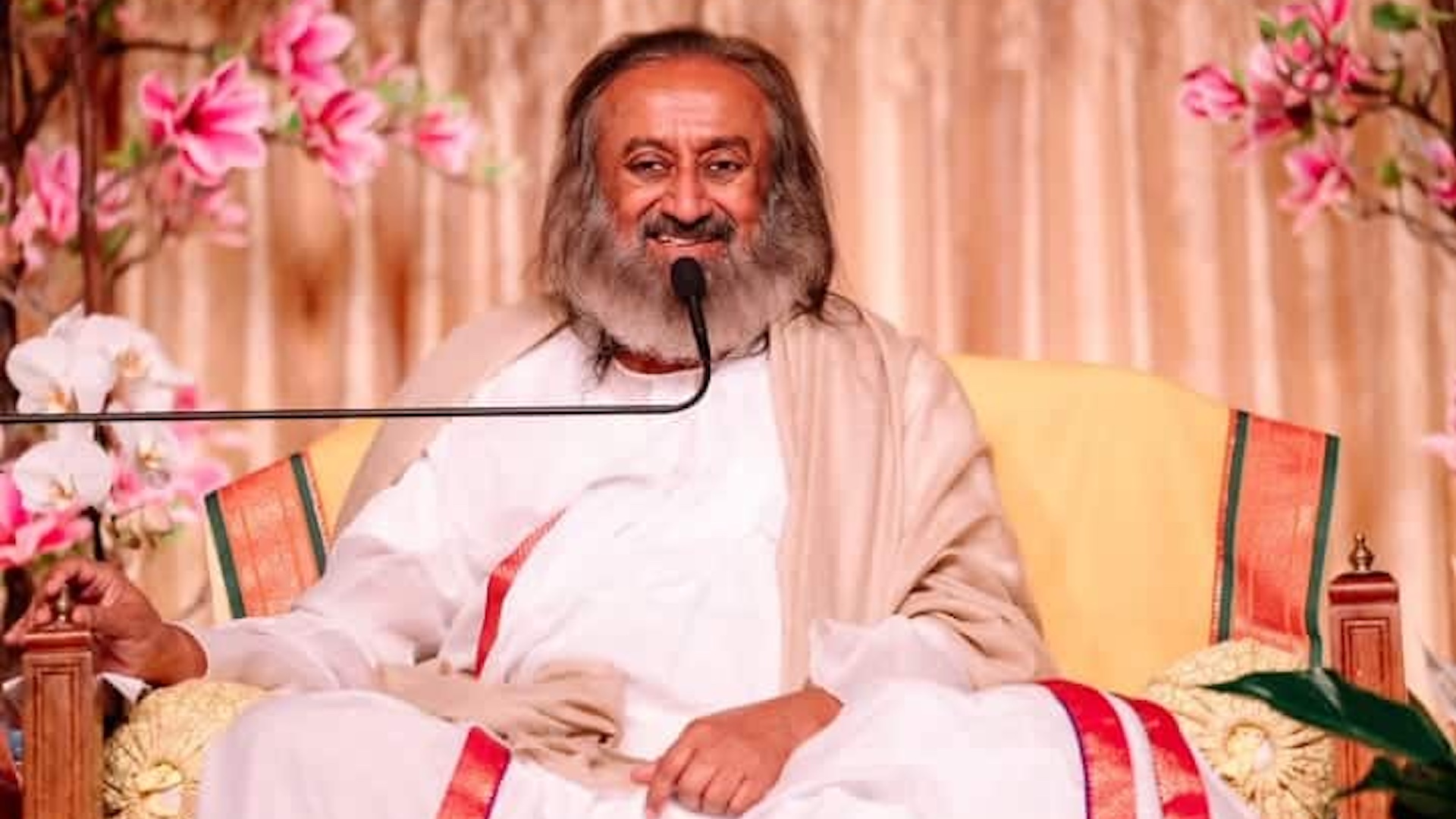
In the words of Sri Sri Ravi Shankar, "When you serve without expectation, the joy is doubled." This profound statement invites us to explore the transformative power of selfless service. It suggests that true joy arises not from the anticipation of reward or recognition but from the act of giving itself. In a world often driven by transactional relationships and the pursuit of personal gain, this teaching challenges us to reconsider our motivations and the deeper fulfillment that comes from serving others without strings attached.
To serve without expectation is to engage in an act of pure generosity, where the focus shifts from what we might receive to the intrinsic value of the act itself. This perspective not only enriches our own experience but also fosters a sense of connection and community. By letting go of the need for acknowledgment or reciprocation, we open ourselves to a more profound joy—one that is rooted in the simple act of giving. This understanding is essential for anyone seeking to cultivate a more meaningful and joyful existence.
The image / the metaphor
At its core, the quote evokes a vivid image of service as a flowing river, unimpeded by the rocks of expectation. The verbs "serve" and "expectation" create a dynamic interplay; serving suggests action and movement, while expectation implies a tethering to outcomes. The felt sense of this imagery is one of liberation—when we release our expectations, we allow the joy of service to flow freely, enriching both the giver and the receiver. This metaphor encapsulates the essence of selflessness, where the act of giving becomes a source of joy rather than a burden.
Diving deeper into the metaphor, we can envision the act of serving as planting seeds in a garden. When we plant without the expectation of immediate blooms, we nurture the soil of our relationships and communities. The joy that arises from this nurturing is akin to the anticipation of a bountiful harvest, not for ourselves but for the collective good. In this way, the metaphor of gardening illustrates how selfless service cultivates a deeper sense of joy that transcends personal gain, fostering a flourishing environment for all.
In the speaker's tradition
Sri Sri Ravi Shankar's teachings are deeply rooted in the principles of the Art of Living, which emphasizes the importance of selfless service, or "seva." This concept aligns closely with the idea of dharma, or duty, where one serves not for personal gain but as a fulfillment of one's responsibilities to others. The notion of kenosis, or self-emptying, also resonates here, as it encourages individuals to let go of their ego and desires in order to serve the greater good. In this light, the joy of serving without expectation becomes a pathway to spiritual growth and connection with the divine.
In the Bhagavad Gita, a foundational text in Indian philosophy, Lord Krishna speaks of selfless action as a means to attain liberation. He advises Arjuna to perform his duty without attachment to the fruits of his actions, reinforcing the idea that true fulfillment comes from the act itself rather than the outcomes. This timeless wisdom echoes Sri Sri Ravi Shankar's assertion, reminding us that the joy of service is magnified when we release our attachment to expectations and embrace the purity of giving.
Living the teaching
Consider a modern scenario where this teaching can be applied: volunteering at a local shelter. Many individuals may initially approach such service with the hope of feeling good about themselves or gaining recognition from their peers. However, when one shifts their focus to the act of serving those in need—offering meals, companionship, or support—the experience transforms. The joy derived from seeing the smiles of those being served, without any expectation of reward, can be profoundly fulfilling, doubling the joy of the experience.
This teaching can also be applied in personal relationships. Imagine a situation where one partner feels unappreciated for their efforts in the relationship. If they begin to serve their partner—through acts of kindness or support—without the expectation of reciprocation, they may find a renewed sense of joy and connection. By letting go of the need for acknowledgment, they create a space for genuine love and appreciation to flourish, enriching both their own experience and that of their partner.
A reflection
As we contemplate the wisdom of Sri Sri Ravi Shankar's words, we are invited to reflect on our own motivations for service. Are we serving others with the hope of receiving something in return, or can we embrace the joy that comes from giving freely? In this spirit, consider this contemplative question: How might your life change if you approached acts of service without any expectation of reward or recognition?




Join the BrightStar Community
Stay connected with daily inspiration, event announcements, and community wisdom