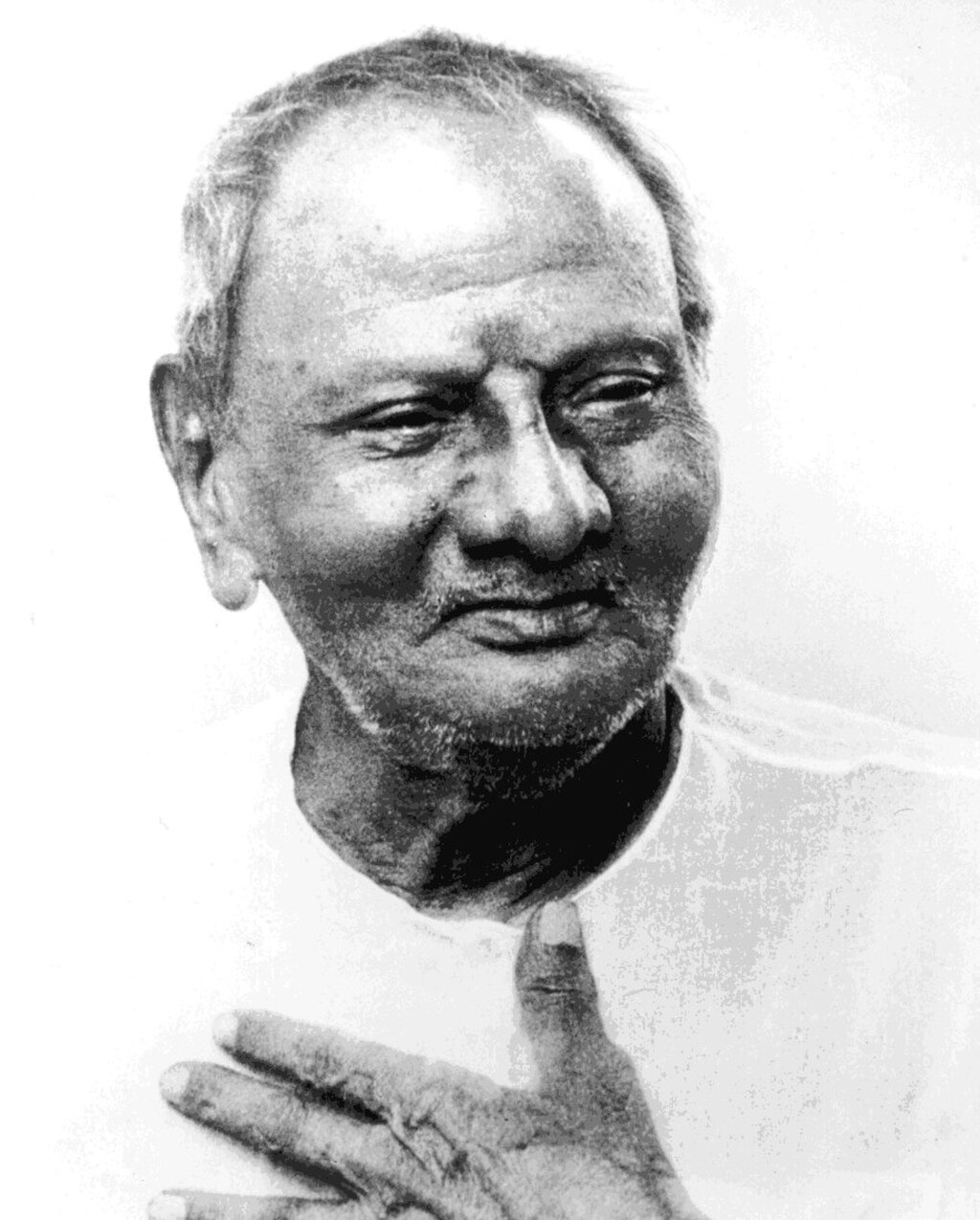
The Illusion of Suffering: A Path to Awakening
Nisargadatta Maharaj's assertion that "suffering ceases when you realize its illusory nature" invites us into a profound exploration of the nature of our pain and the reality we inhabit. At its core, this statement challenges the very foundation of our understanding of suffering, suggesting that the anguish we experience is not an inherent part of existence but rather a construct of our minds. This realization holds the potential to liberate us from the shackles of despair, offering a pathway to awakening that transcends mere intellectual understanding.
In a world rife with suffering, the stakes of this teaching are immeasurable. The acknowledgment of suffering as illusory does not dismiss the reality of pain; rather, it invites us to examine the layers of perception that shape our experiences. By delving into the depths of our consciousness, we can uncover the roots of our suffering and, in doing so, begin to dissolve the very fabric of our anguish. This journey towards understanding is not merely philosophical; it is a transformative process that can lead to profound inner peace and clarity.
The image / the metaphor
The imagery embedded in Maharaj's quote evokes a sense of awakening from a dream. The verbs "ceases" and "realize" suggest an active engagement with our perceptions, as if we are being called to awaken from a slumber of ignorance. The felt sense of this statement is one of liberation, as if the weight of suffering is lifted the moment we recognize its transient and illusory nature. This metaphor of awakening is central to many spiritual traditions, where the journey from darkness to light symbolizes the transition from suffering to enlightenment.
In the speaker's tradition
Nisargadatta Maharaj's teachings are deeply rooted in the non-dual tradition, which emphasizes the interconnectedness of all existence and the illusion of separation. Concepts such as *sunyata* (emptiness) and *fana* (annihilation of the self) resonate with the idea that our suffering arises from a false sense of identity. In this context, the realization of suffering's illusory nature aligns with the practice of *kenosis*, or self-emptying, where one relinquishes attachment to the ego and its narratives. This journey towards understanding is not merely an intellectual exercise but a profound spiritual awakening that invites us to experience our true nature beyond the confines of suffering.
In Maharaj's seminal work, *I Am That*, he often refers to the concept of *prajna*, or wisdom, which arises from direct experience rather than theoretical knowledge. This wisdom is cultivated through self-inquiry and contemplation, allowing individuals to pierce through the veil of illusion that obscures their true essence. By engaging with these teachings, one can begin to see that suffering is not an intrinsic part of life but rather a byproduct of our misperceptions and attachments.
Living the teaching
Consider a modern scenario where this teaching might resonate: a person grappling with chronic anxiety. The weight of their suffering feels insurmountable, yet through the lens of Maharaj's wisdom, they might begin to explore the thoughts and beliefs that fuel their anxiety. By recognizing these thoughts as transient and illusory, they can start to distance themselves from the narrative that their suffering defines them. This shift in perspective can lead to a profound sense of relief, as they learn to navigate their experiences with greater equanimity and clarity.
In a different application, imagine a relationship strained by misunderstandings and unspoken grievances. The pain of conflict can feel all-consuming, yet by applying the insight of suffering's illusory nature, both partners can engage in open dialogue and self-reflection. This process allows them to see beyond their immediate reactions and recognize the deeper truths that connect them. In doing so, they can cultivate compassion and understanding, transforming their relationship into a space of healing rather than suffering.
A reflection
As we contemplate Maharaj's profound statement, we are invited to ask ourselves: What beliefs or narratives do I hold that perpetuate my suffering? This question encourages a deep inquiry into the nature of our thoughts and emotions, prompting us to explore the layers of perception that shape our experiences. By engaging with this question, we can begin to unravel the threads of illusion that bind us, opening the door to a more authentic and liberated existence.



Join the BrightStar Community
Stay connected with daily inspiration, event announcements, and community wisdom