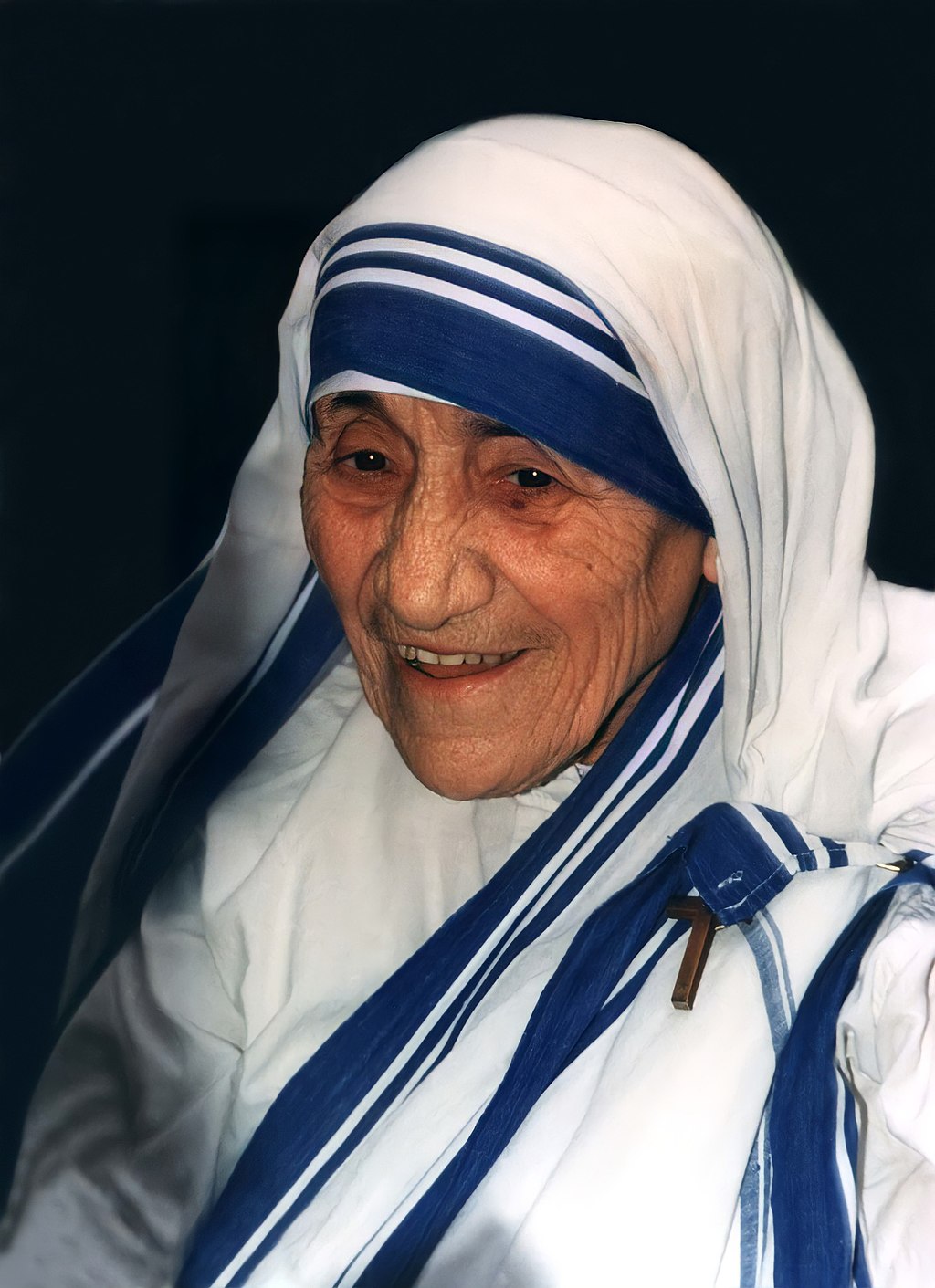
The Light of Words: Illuminating the Path of Compassion
Mother Teresa's poignant assertion, "Words which do not give the light of Christ increase the darkness," invites us to reflect deeply on the power of our speech. In a world often overshadowed by negativity and despair, the words we choose can either illuminate or obscure the truth of our shared humanity. This quote serves as a clarion call to examine the impact of our language, urging us to align our expressions with the light of compassion and love that Christ embodies. The stakes are high; our words can either foster understanding and connection or deepen the chasms of misunderstanding and division.
Delving further into this profound statement, we recognize that language is not merely a tool for communication but a vessel for spiritual energy. Words carry weight; they can uplift or diminish, heal or harm. In the context of Mother Teresa's life and work, her emphasis on the light of Christ reflects a commitment to a higher standard of discourse—one that transcends mere politeness and ventures into the realm of genuine compassion. This understanding challenges us to be mindful of our speech, to ensure that our words resonate with the divine light that fosters love and understanding in our interactions with others.
The image / the metaphor
At the heart of Mother Teresa's quote lies a vivid metaphor that contrasts light and darkness, two powerful symbols in spiritual literature. Light represents clarity, truth, and divine presence, while darkness signifies confusion, despair, and separation from the divine. The choice of the verb "give" suggests an active role in this dynamic; it implies that our words can either bestow illumination or contribute to the pervasive shadows of ignorance and suffering. This imagery evokes a sense of responsibility, reminding us that our utterances have the potential to shape the emotional and spiritual landscape around us.
Going deeper into this metaphor, we can consider the implications of "increasing the darkness." This phrase suggests a compounding effect; when we speak without the light of Christ, we do not merely fail to illuminate but actively contribute to the obscuring of truth and love. In this sense, our silence or careless words can perpetuate cycles of negativity and despair. Thus, the metaphor serves as a powerful reminder that our speech is not neutral; it is a force that can either nurture the light of hope or deepen the shadows of suffering.
In the speaker's tradition
Mother Teresa's insights are deeply rooted in the Christian tradition, which emphasizes the transformative power of love and compassion. Central to this tradition is the concept of agape, or selfless love, which calls individuals to act in ways that reflect the light of Christ. This notion resonates with the idea of kenosis, or self-emptying, where one relinquishes personal desires to serve others. In this light, the words we speak should reflect a commitment to this higher love, fostering connection and understanding rather than division.
Moreover, the teachings of Jesus often highlight the importance of speech as a reflection of the heart. In the Gospel of Matthew, Jesus states, "For out of the abundance of the heart, the mouth speaks" (Matthew 12:34). This connection between inner disposition and outward expression underscores the necessity of aligning our words with the light of Christ. When we cultivate a heart filled with love and compassion, our speech naturally reflects this inner light, illuminating the paths of those around us.
Living the teaching
In our modern lives, the teaching encapsulated in Mother Teresa's quote can manifest in numerous ways. Consider a workplace scenario where colleagues are engaged in gossip or negative talk about a mutual acquaintance. In such moments, choosing to speak words that uplift and affirm the dignity of the individual in question can serve as a powerful act of resistance against the darkness of negativity. By consciously redirecting the conversation towards kindness and understanding, we embody the light of Christ and create a more compassionate environment.
Another application of this teaching can be found in personal relationships, particularly during conflicts. When tensions rise, it is easy to resort to words that wound or escalate the situation. However, if we pause and reflect on the intention behind our speech, we can choose to express ourselves in ways that promote healing and reconciliation. By speaking from a place of love and understanding, we not only honor the other person but also invite the light of Christ into the conversation, fostering a deeper connection and mutual respect.
A reflection
As we contemplate Mother Teresa's profound words, we are invited to engage in a reflective practice: How can I ensure that my words contribute to the light of compassion in my interactions with others? This question encourages us to examine our speech thoughtfully, considering the impact of our words on those around us. In a world that often feels heavy with darkness, may we strive to be beacons of light, illuminating the paths of love and understanding through the power of our language.




Join the BrightStar Community
Stay connected with daily inspiration, event announcements, and community wisdom