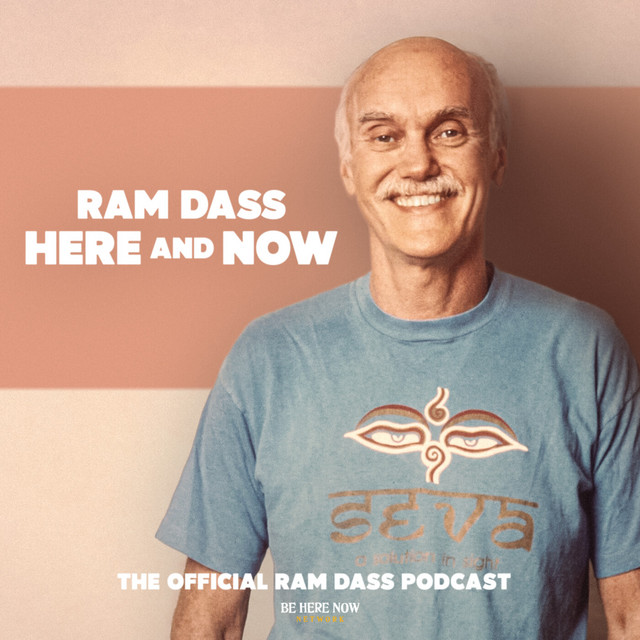
"The Water Poem" is a contemplative music video by Ram Dass and AWARÉ that treats water as a carrier of memory and emotional connection. Using fully improvised, wordless vocals layered over cinematic choreography, the piece explores how memory, love, and loss flow and shift across time—much like water moving through relationships and the human experience. The work is a meditation on impermanence and interconnection rather than a narrative song, inviting listeners into a space of felt experience.
What Does Water Represent in Spiritual Practice?
In contemplative traditions, water has long served as a symbol of consciousness, flow, and the passage of time. Ram Dass's approach in "The Water Poem" goes beyond metaphor; it treats water as an actual medium through which memory travels and emotional bonds persist. The choice to explore this through wordless, improvised vocals suggests that the content of the meditation lies not in conceptual meaning but in the quality of presence and vibration the music itself carries. This approach aligns with Ram Dass's broader teaching that direct experience—felt in the body and heart—often transcends what language can express.
How Do Wordless Vocals Function as a Teaching Tool?
By removing language, Ram Dass and AWARÉ bypass the interpretive layer that words create. Wordless vocals invite the listener to engage with pure sound and emotion, without the mind grasping for literal meaning. This technique opens space for each listener to project their own associations, memories, and longings onto the music. In the context of "The Water Poem," this means the improvised vocals become a container for the listener's own experience of how memory and connection move through their life. The non-linguistic nature of the piece also reflects the idea that some truths about love, loss, and continuity cannot be fully captured in words—they must be felt.
Why Does Memory Flow Like Water?
The metaphor of memory as flowing water captures something essential about how the past moves through us. Unlike a fixed archive, memory is fluid, shifting with each encounter and emotion. Relationships change shape as we move through time; grief flows into love, and loss carries within it the presence of what or whom was loved. Water, in its constant motion and adaptability, mirrors this quality. By grounding the meditation in water imagery, "The Water Poem" suggests that memory is not something we possess or control, but something we move through—like swimming in a current—and that this movement is itself the essence of being alive and connected.
What Role Does Choreography Play in the Meditation?
Choreographer Ramona Kelley's design, featuring dancers Ramona Kelley and Weston Krukow, visually enacts the themes the music explores. Choreography that reflects "how memory flows and shifts across time" translates the abstract concept into embodied action. The body becomes a language where the viewer can see and sense the passage and transformation of feeling. Rather than telling a story, the movement language demonstrates the textures of flow—the way weight shifts, how bodies meet and separate, the rhythm of breath and gesture. This integration of music, improvised vocal texture, and dance creates a multi-sensory field where intellectual understanding becomes less necessary than intuitive resonance.
How Does This Work Relate to Ram Dass's Broader Spiritual Teaching?
Ram Dass has long emphasized the importance of opening the heart and recognizing the deep interconnection between all beings. "The Water Poem" sits within this lineage of teaching through art and direct transmission. Rather than delivering doctrine, the piece creates a space for direct experience of unity and flow. The album title, "And Now He Has Wings," suggests a state of liberation or transcendence—and within that context, "The Water Poem" may be understood as an exploration of how that freedom manifests in the realm of emotion, memory, and relationship. By working with water, Ram Dass points to the dissolution of rigid boundaries between self and other, past and present.
What Is the Significance of Collaboration With AWARÉ?
The collaboration with musical collaborator AWARÉ indicates a shared creative vision around improvisation and wordless expression. In many spiritual traditions, improvisation is itself a form of meditation—a moment-to-moment responsiveness that requires presence and trust. By bringing together vocalists, musicians, choreographers, and visual directors, the project models how collective creative effort can generate a field larger than any individual contribution. The ensemble approach mirrors the very theme of interconnection that the music explores.
Where to Go From Here
Listeners interested in exploring these themes further might investigate other works on the album "And Now He Has Wings," or explore Ram Dass's own teachings on meditation, memory, and heart-opening practice. The video itself is best approached not as a passive viewing but as a meditative invitation—a space to sit with the feelings that arise around memory, connection, and impermanence. Consider watching in a quiet space, allowing the wordless vocals and movement to work directly on the nervous system and heart, rather than through intellectual analysis. Readers may also explore other contemplative music projects that work with wordless vocalization and embodied movement, such as pieces by Pauline Oliveros or works in the tradition of devotional kirtan, to understand how sound and movement can become tools for direct spiritual experience.